


I read a lot. I read a lot of genres and books of all different types. That being said, I often have at least two nonfiction books that I’m working my way through. I usually am reading a hard copy of a nonfiction book and then also listening to a nonfiction book in audiobook format at the same time. While I do tend to read real (physical hardcover) copies of nonfiction books, I do sometimes read nonfiction books on my Kindle Colorsoft, which has been a game changer for reading nonfiction on Kindle since any photos included with the book are in color and highlights are now available in color as well. If audiobooks are narrated by the author, I really enjoy listening to nonfiction books in audio format.
The following is a list of the 15 nonfiction books I enjoyed most in 2025. If you’re interested in seeing all of the books I read and/or discussing them, I invite you to follow me on Goodreads. If you’d like to see which fiction books I enjoyed in 2025, you can read my Top 10 Fiction Books of 2025.
If you’re interested in seeing my Top Book Lists from past years, you can check them out:
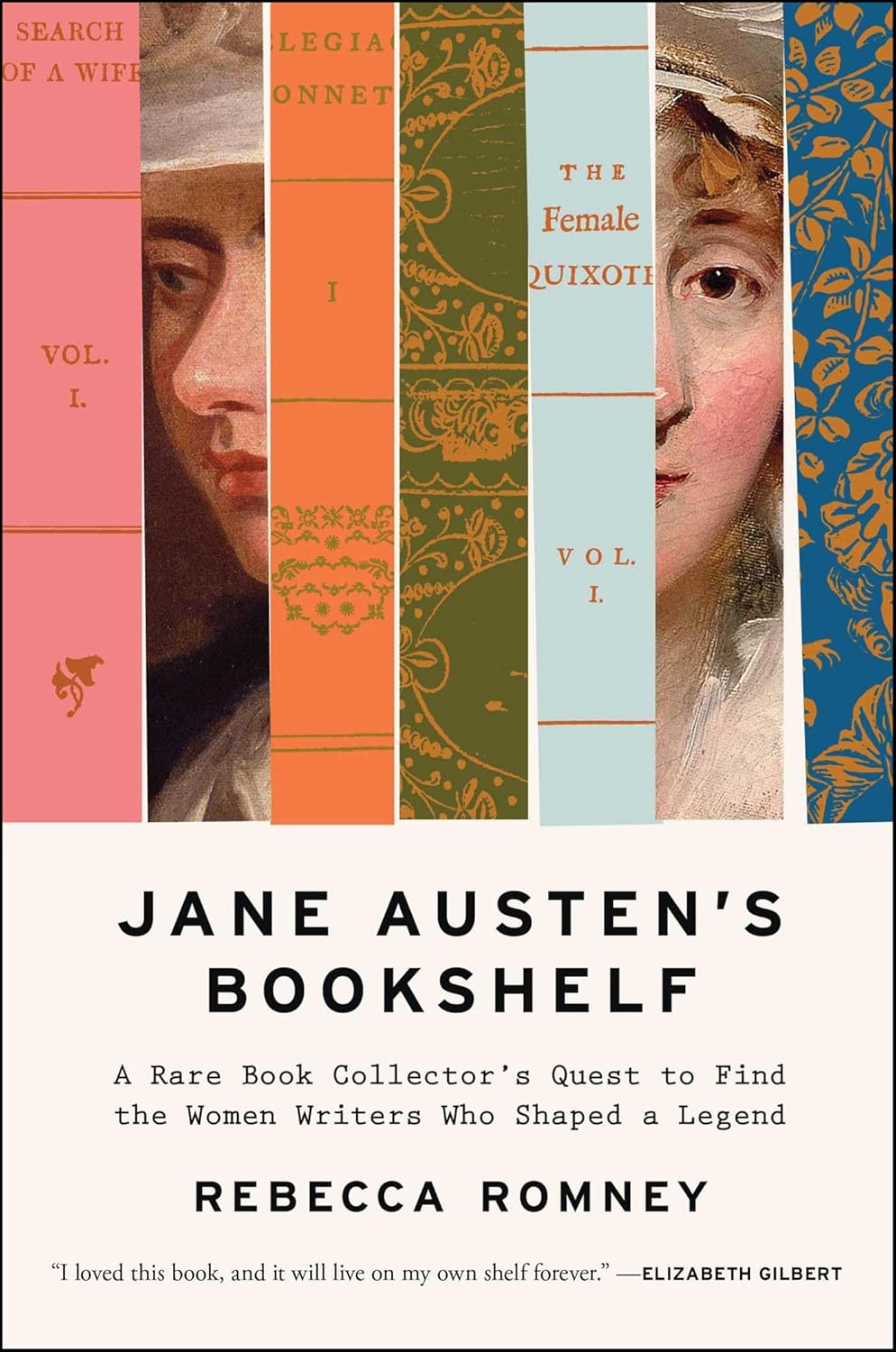
Jane Austen’s Bookshelf: A Rare Book Collector’s Quest to Find the Women Writers Who Shaped a Legend by Rebecca Romney is the best non-fiction book I read in 2025.
I listened to it as an audiobook (which is narrated by the author herself), and I think this choice significantly enhanced my experience with this book. While I absolutely think I would have still loved it if I read it, I think that hearing it in the author's own voice added so much richness, depth, and interest to the story being told.
I've liked Rebecca Romney ever since I first saw her on "Pawn Stars", where she is featured as a rare books expert. This book, which chronicles Rebecca's deep dive (to put it mildly) into the world of Jane Austen and what influenced her as a writer, is absolutely beautiful.
Unsurprisingly, Romney makes extensive use of primary sources and describes the process by which she tracked these down. However, she tells the story in such a way that it is never boring and left me excited to resume listening whenever I had to pause.
Each chapter features a woman writer who influenced Jane Austen. Not only are these glimpses into these women's lives enlightening, how they fit into the overall development of novel writing, writing in English, and the development of the literary canon is fascinating.
Throughout the entire book, Rebecca drops in little nuggets about the rare book trade, which were just as fascinating for me as the story she was telling. And the rare book business is not separate from her quest to investigate these women writers; it's central to it. So it was really nice to have a look inside that world alongside the research project she undertook.
All in all, this was wonderful.
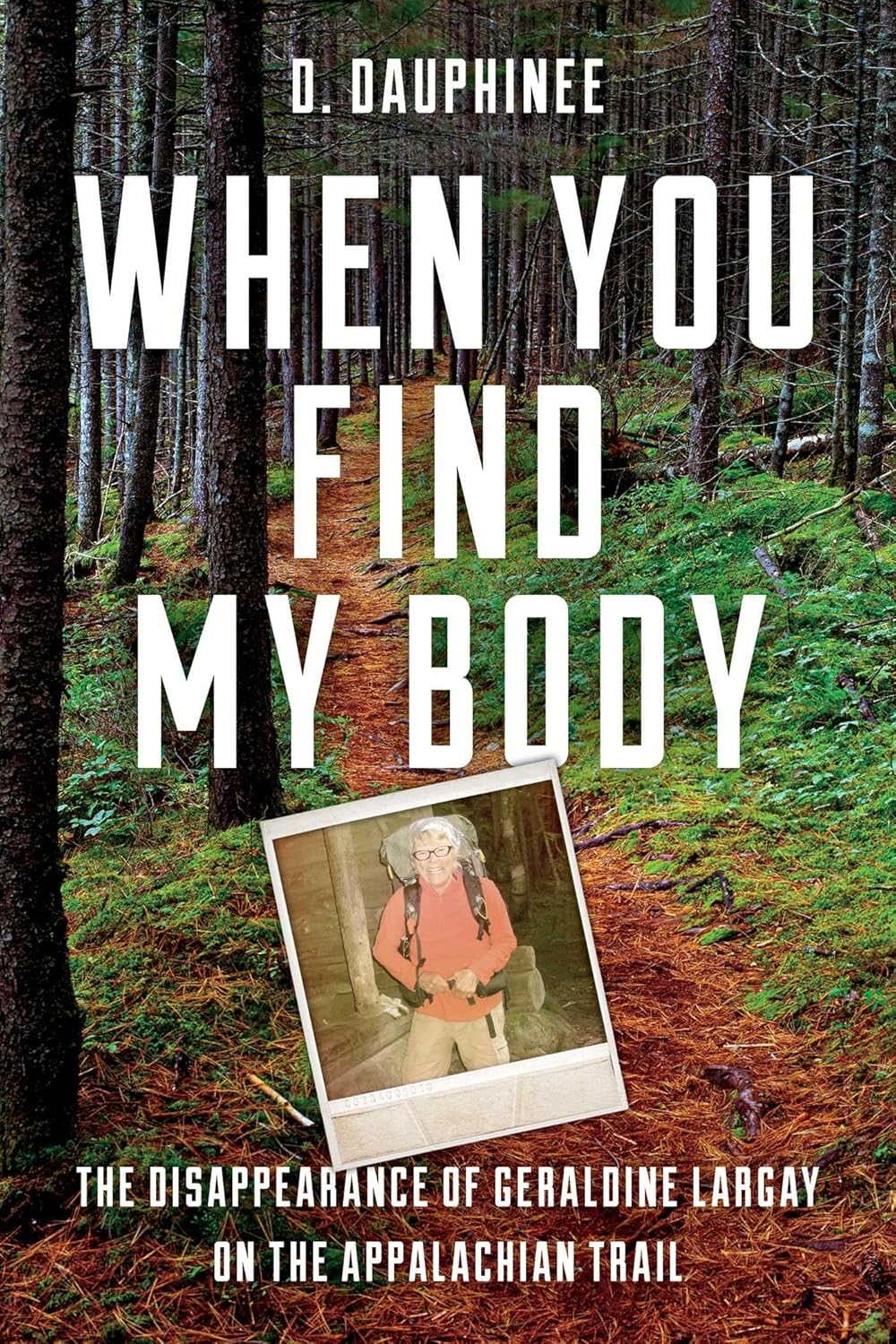
When You Find My Body: The Disappearance of Geraldine Largay on the Appalachian Trail by D. Dauphinee is second on my list of my favorite nonfiction books that I read in 2025. I basically read this within a day. It's short, but it was also really engaging for me.
The author does a really nice job of writing a biography of Gerry Largay as it was relevant to her disappearance along the Appalachian Trail in 2013. He also does a really nice job of recounting the search effort that was undertaken for her once she became lost. I felt really connected to and emphatic toward Gerry as I read the entire book.
While I hesitate to sound like I'm blaming anyone, the picture that is painted demonstrates that there were a few key errors and/or underappreciated elements made by Gerry herself, and if any one of those had been different, Gerry's fate almost certainly would have been different.
The author shares some basic practical tips in the event that you get lost in the woods, which I found useful. This also inspired me to learn more about survival skills and basic navigation skills without technology.
Some may find this book morbid, which is a common response I’ve encountered to anything that truthfully discusses the very real dangers and risks of activities such as hiking. In addition, it seems like people do not want to talk about stories with sad outcomes. There are many, many stories of hikers along the Appalachian Trail that end well. This one does not. But just because it’s sad doesn’t mean we should pretend that what happened to Gerry didn’t happen. If anything, we should share her story and use it to help future hikers avoid the same fate.
This is a heartbreaking, eye-opening account, and a very good read for anyone who likes to hike.
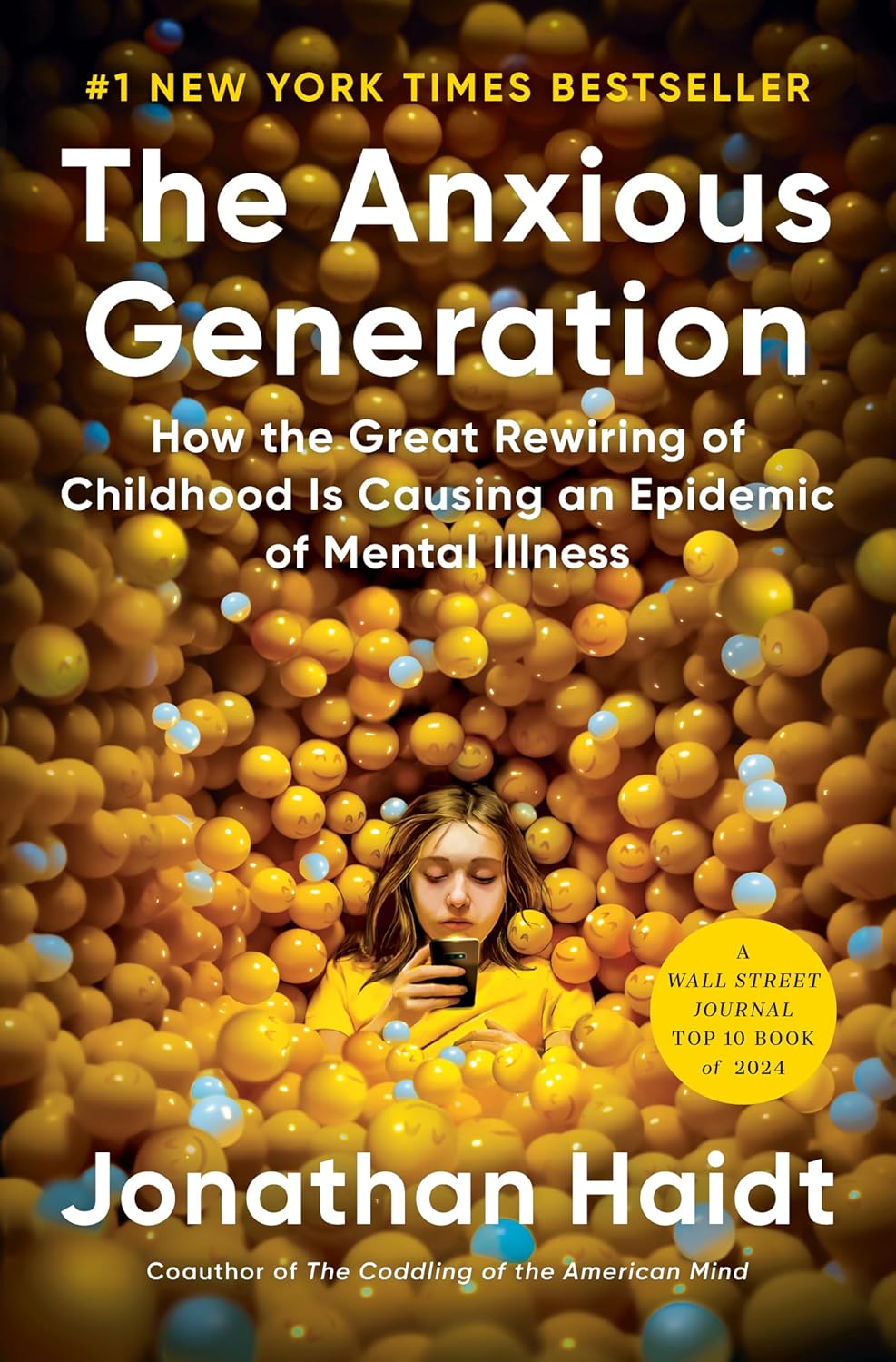
The Anxious Generation: How the Great Rewiring of Childhood Caused an Epidemic of Mental Illness by Jonathan Haidt was absolutely one of the best books I read in 2025.
Every person should read this book.
The premise of this book is that we have conducted the largest experiment in human history on our children by allowing them unrestricted access to the Internet all the time (mostly via smartphones, but via other digital devices as well). We have moved from children having a play-based childhood rooted in the real world to a phone/device/Internet-based childhood rooted in the virtual world.
Social Psychologist Jonathan Haidt also wrote The Coddling of the American Mind: How Good Intentions and Bad Ideas Are Setting Up a Generation for Failure, which I read a few years ago and also loved. In The Anxious Generation, he does an excellent job of providing solid research that demonstrates that this experiment has been a full-scale failure and that Generation Z is now more anxious, lonely, underdeveloped than any generation that came before it as a result. He makes the very astute point that parents have been overprotecting their children in the real world while simultaneously woefully under protecting their children in the virtual world.
I have observed the ill effects that smart phones and full-time access to the Internet has had on Generation Z and it's been deeply concerning to me. As someone who doesn't have children, I've been told that it's "easy" for me to judge this since I don't have to fight the tide of everyone else giving their kids smartphones and unrestricted access to the Internet. And that's true. But as someone who doesn't have children, I feel that I have an unbiased perspective on what this cultural shift is doing to children and to our larger society, and it's deeply concerning. More parents and more of us in general should be concerned about these changes and should be advocating for different approaches and policies to help us collectively overhaul how we think about devices and technology for children and to ensure that how these tools are leveraged helps them, not harms them.
I found this book to be deeply insightful. I listened to it as an audiobook and was constantly marking different passages with bookmarks. And while this book is about what smartphones and the Internet has done to children, it's honestly a great read for anyone of any age because smartphones and the Internet have changed us all...and not necessarily for the better.
This book calls out many behaviors and practices that are unattractive and that are hard to hear. I can see how this will probably put some readers on the defensive and even how some readers might deny that phones and access to the Internet have created such rapid and harmful change within our society. This will likely be especially true for parents who have already chosen to give their kids smartphones at young ages; to admit that they did something that might have seriously harmed their children would be monumentally difficult. It’s also very difficult to admit that something that we are doing is not good. (Remember: Just because something becomes normalized does not automatically mean that it is good.) But if we really look at it, the timeline cannot be denied and there hasn't been anything nearly as transformative or significant that has been introduced into our larger collective society in the last 15-20 years.
Jonathan Haidt spends the final chapters giving dozens of actionable suggestions of how to change things and what parents and people can do in their own lives - both individually and as a community - to create change. I appreciated that he didn't just point out a problem and leave it there.
All in all, this is easily one of the best books I read this year.
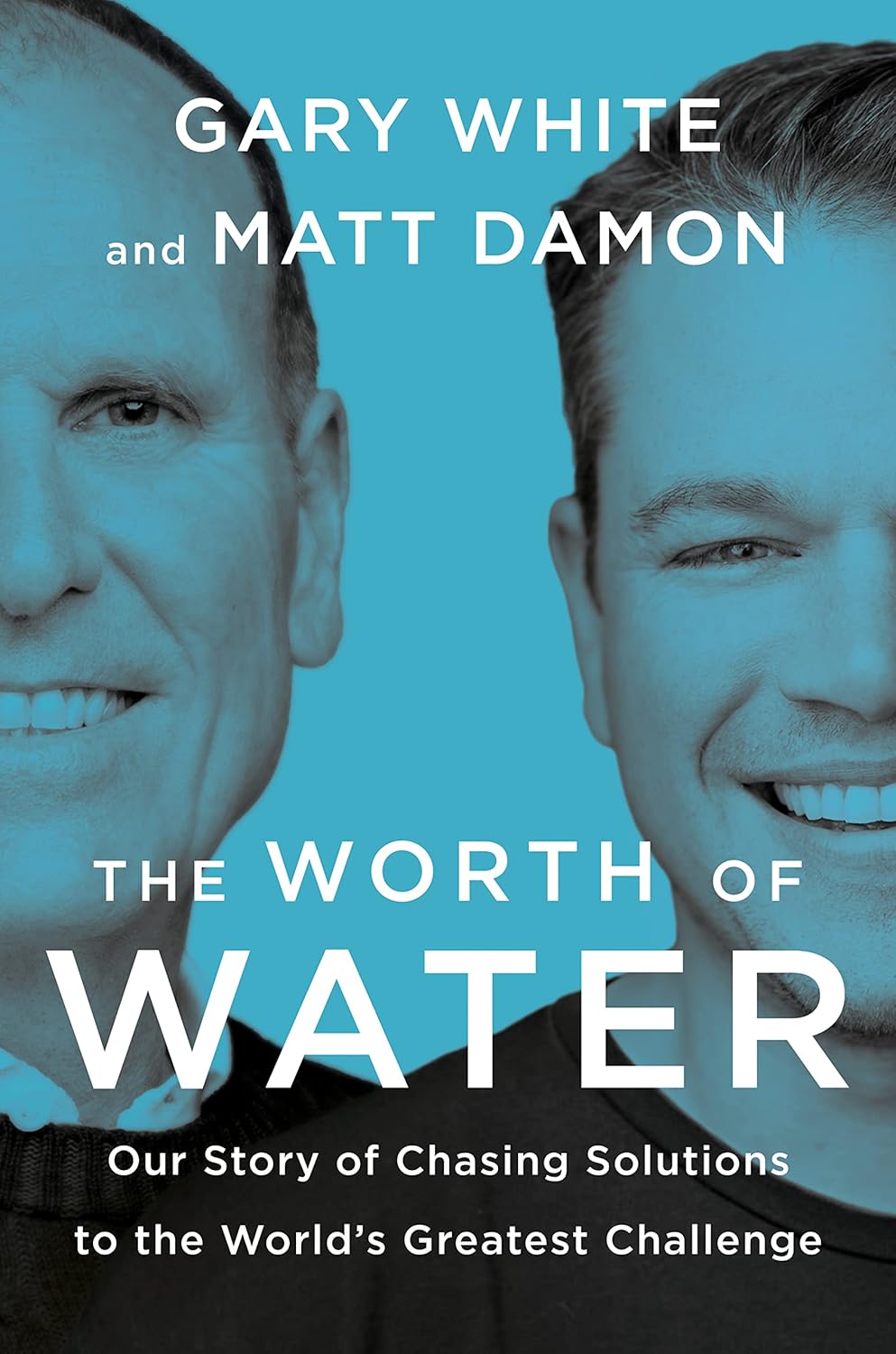
The Worth of Water: Our Story of Chasing Solutions to the World’s Greatest Challenge by Gary White and Matt Damon (yes, that Matt Damon) was another excellent book I read this year.
I've been telling people for years that over 5 million children die each year in India due to lack of access to safe water, and no one who I've ever mentioned this to really seems to care. India is really far away from where most of the people who I talk about this to live, and if we're being honest, the people in India aren't the correct color for most people here in the United States tweeting about social justice on their smartphones to actually care about. Perhaps that's too blunt. Perhaps it makes someone who isn't brown feel uncomfortable to read this. But I've seen time and time again when I bring this up that it's true.
The Worth of Water discusses the global water crisis and outlines (sometimes in painful detail) just what an ordeal it is for millions of people around the world to acquire water. Not even safe water. Just water. Yes, millions of people around the world do not have access to water each day. And then, there are millions more who only have access to unsafe, unsanitary, and disease-breeding water. It's horrible and it's a massive injustice.
To think, as an endurance coach, I am constantly preaching about hydration to the athletes I coach. Every single person who can afford to hire me has unlimited access to water. And yet, more than 50% of them are underhydrated and continue to effectively choose to be (since they don't make meaningful changes in their lives to change how they hydrate themselves). Sure, they understand it's important, but water is so readily available that they literally don't even think about it or what it would be like if they didn't have the opportunity to choose to underhydrate themselves.
Just imagine. You go to wash your hands, and the water doesn't come on. You feel some dryness in your throat, and you go to purchase water at the local store, but they don't have any. You want to cook food, but you need to walk five miles to acquire (and carry) the water that will enable you to do just that. You ask for a glass of water at a restaurant, and you're told that it will cost 30% of your bill. Your family needs water, and you need to have your 6- and 8-year old children drop out of school so they can go acquire it for you while you work to earn money for your family.
None of us in the developed world would find any of these situations even remotely acceptable. Not even close. And yet, all of these situations (not just one of them) are situations that more than a billion people globally face every day. Every single day.
In my opinion, this book is a must-read. Water is life. Literally. Without it, we die, and rather quickly. It's important for us to be aware of when our fellow humans are suffering injustices like this where their literal basic needs to survive are not being met. In the United States, too often we complain about how we don't have the things we want. What if we didn't have the things we need? We as people who have all of our basic needs met need to think about what we can do to help others - starting in our local communities - who are in this position.
I listened to this as an audiobook, which was a great choice since both Matt Damon and Gary White narrate it. The chapters alternate between their points of view/perspectives, and each one narrates their own POV chapters. I liked that they chose to write the book this way and I really enjoyed how they shared personal stories of people they've met through their work with Water.org to humanize this injustice and help illustrate that this isn't a "this happens to other people" problem that we should dismiss. This is a problem that happens to real humans who deserve to have a chance at living their lives by having their most basic of human needs met.
This book is a great outline of this problem and should serve as a catalyst for people to help work toward ending this crisis and massive injustice.
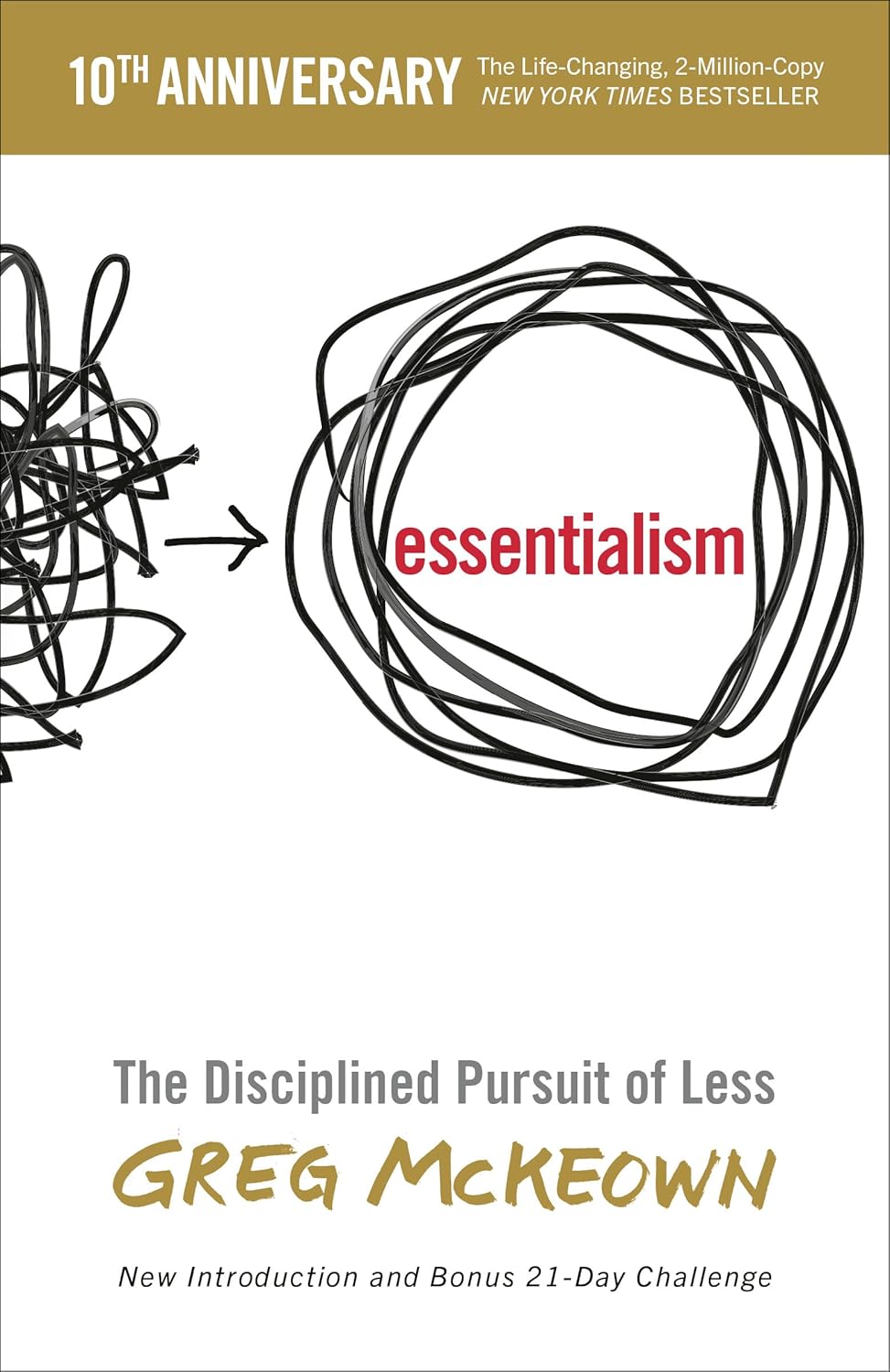
I really enjoyed Essentialism: The Disciplined Pursuit of Less by Greg McKeown. (I also read the follow-up book to Essentialism, Effortless: Make It Easier to Do What Matters Most, which was also very good (though not as good as Essentialism, in my opinion.)
I listened to Essentialism as an audiobook, and I found myself constantly marking bookmark points in Libby as I did so. I can see myself purchasing a hard copy of this to refer back to and reread in future years. The audiobook is narrated by the author, and I did feel that hearing his voice narrating the book added a lot to the content of the book itself.
Greg McKeown organized and structured this book very well. I suppose this is fitting since the entire thesis of the book is to focus on what really matters and eliminate everything else. He lays out a practical path to become an essentialist, and he gives pragmatic tips about how to do so. I found the entire book to be engaging, enlightening, and insightful. It's a wonderful read for anyone in today's world, especially those who are finding themselves constantly feeling distracted and/or overwhelmed by competing demands and interests.
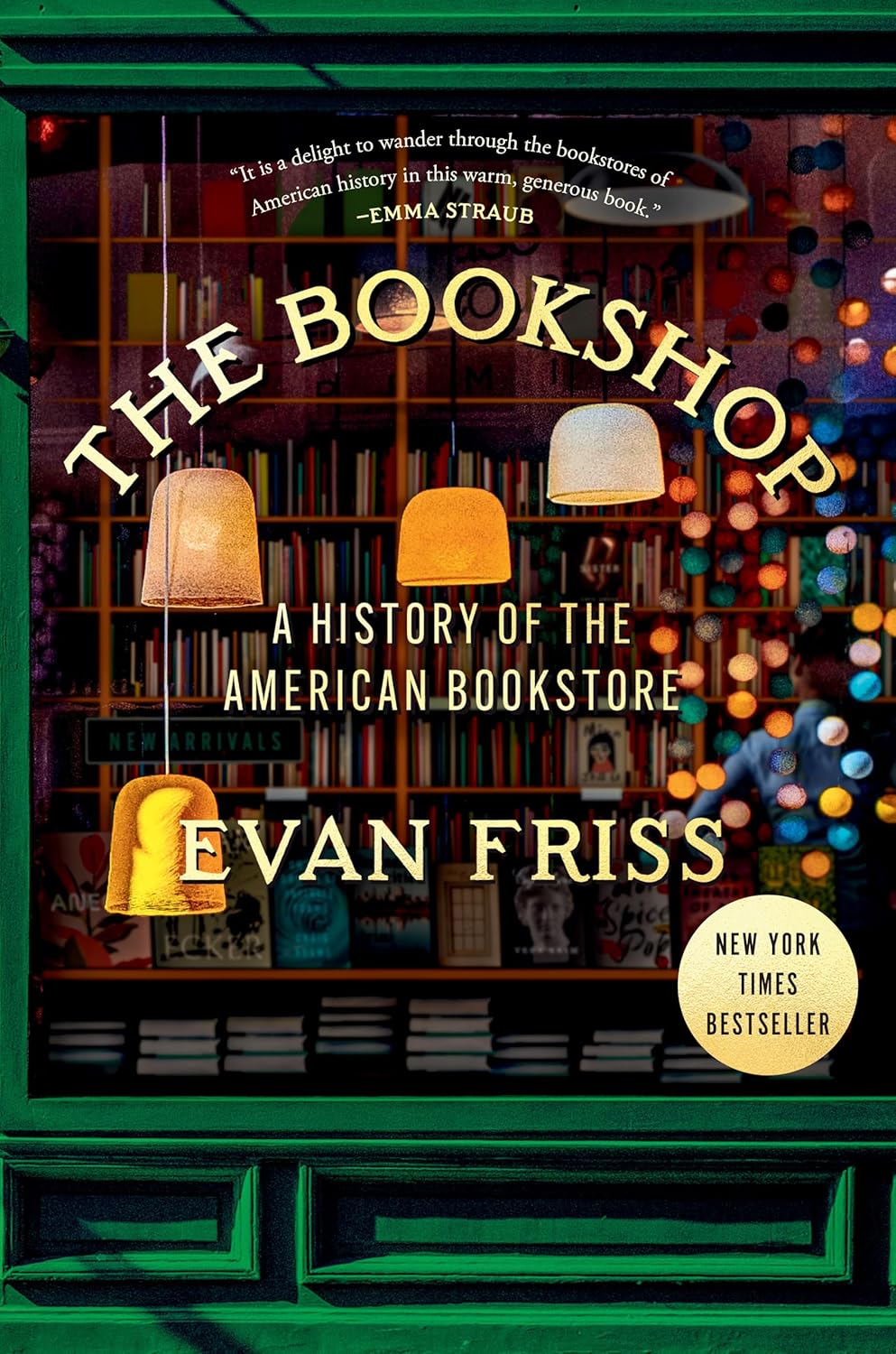
There are few places that captivate me as much as a bookstore can and does. Incredibly well-researched and written, The Bookshop: A History of the American Bookstore by Evan Friss is a must-read for any American bibliophile who cherishes a good bookstore.
Evan Friss does a wonderful job of outlining the history of the American bookstore, and does so in a narrative way that is engaging. Each chapter in the book focuses on a local independent bookshop that contributed to the history of the American bookstore. There are additional short chapters interspersed between those main chapters that dive into the history of bookselling as an industry and that touch on broader trends in the industry that these independent bookstores are part of. Collectively, all of these chapters add up to become a rich narrative that describes the history of bookselling in the United States and of the American bookstore.
Unfortunately, the American bookstore is in a decline - to say the least. In 1993, there were 13,499 bookstores in the United States (one for every 19,253 people). As of 2021, there were just 5,591 bookstores (one for every 59,283 people). The largest bookseller isn’t even a bookstore - it’s Amazon.com. When it comes to physical retailers, the largest booksellers are Costco and Target. The local, independent bookstore is becoming a thing of the past, which is something I’ve been actively trying to stave off for years. When I purchase books, I only do so at local booksellers, even though this always means I’m paying quite a bit more than I “need” to (compared to what Amazon’s prices are) for the books I do purchase. While it’s a relatively small act, it’s one that can add up if enough people choose to make this same choice.
The Bookshop is filled with primary sources, interviews, and stories that make the entire thing feel rich and immersive. I thoroughly enjoyed it.

Speak Her Name: Stories from a Life in True Crime by Dr. Mary Jumbelic is another book that stayed with me after I read it this year. I may have had a bias toward enjoying this book since Dr. Jumbelic is local to me. She is the former Chief Medical Examiner for Onondaga County (where I live) and this local connection almost certainly made me enjoy the book more.
Speak Her Name is a collection of stories about women who were victims of crimes who Dr. Jumbelic met through her work in forensic sciences. She weaves in her own story about her life and career trajectory between the chapters. The chapters about the women victims give voice to their names and their stories, which I really loved. Though their ends were violent, Dr. Jumbelic honors each of these women by telling their stories and not letting them fade into oblivion. Each chapter is quite short, making this an easy read, though quite graphic since we are reading about actual crimes, autopsies, and related investigations.
Overall, I really liked reading this book.
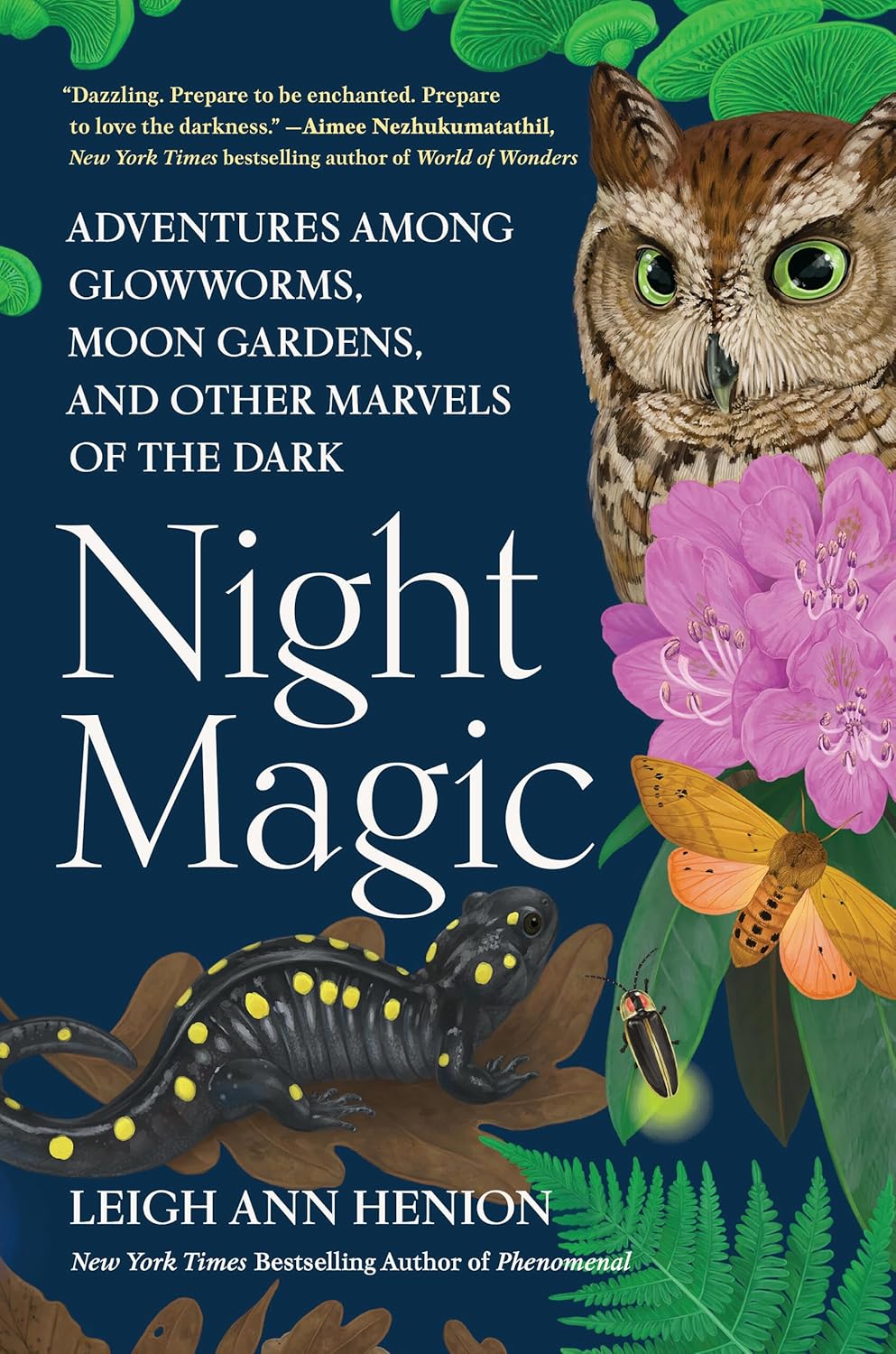
Night Magic: Adventures Among Glowworms, Moon Gardens, and Other Marvels of the Dark by Leigh Ann Henion is a beautiful, wondrous book. In many ways, it reminded me of Katherine May's books Wintering and Enchantment, which I absolutely love.
Leigh Ann Henion shares her personal explorations of darkness and night, and does so in a way that sparks curiosity and makes you appreciate darkness and night more yourself. Each chapter features a deep dive on a different aspect, creature, or living thing of darkness (such as fireflies, bioluminescent plants, moths, and fire making). I learned many, many interesting things from this book.
Darkness is something that most people fear. Unfortunately, it's also becoming increasingly rare for humans to encounter true darkness as we populate the planet with more and more artificial light. However, as I've learned to appreciate through my yoga practice, we need both darkness and light to thrive. In this book, Leigh Ann Henion encourages us to embrace the darkness and open ourselves to the wonders that exist there.
I listened to it as an audiobook (the author reads it herself), and her voice was perfect for this book and I'm really glad I listened to it rather than reading it. While I still think I would have loved it if I read it, I think listening to it added something special to the experience of enjoying this book.
All in all, this was a wonderful, beautiful, and (dare I say?) magical read.
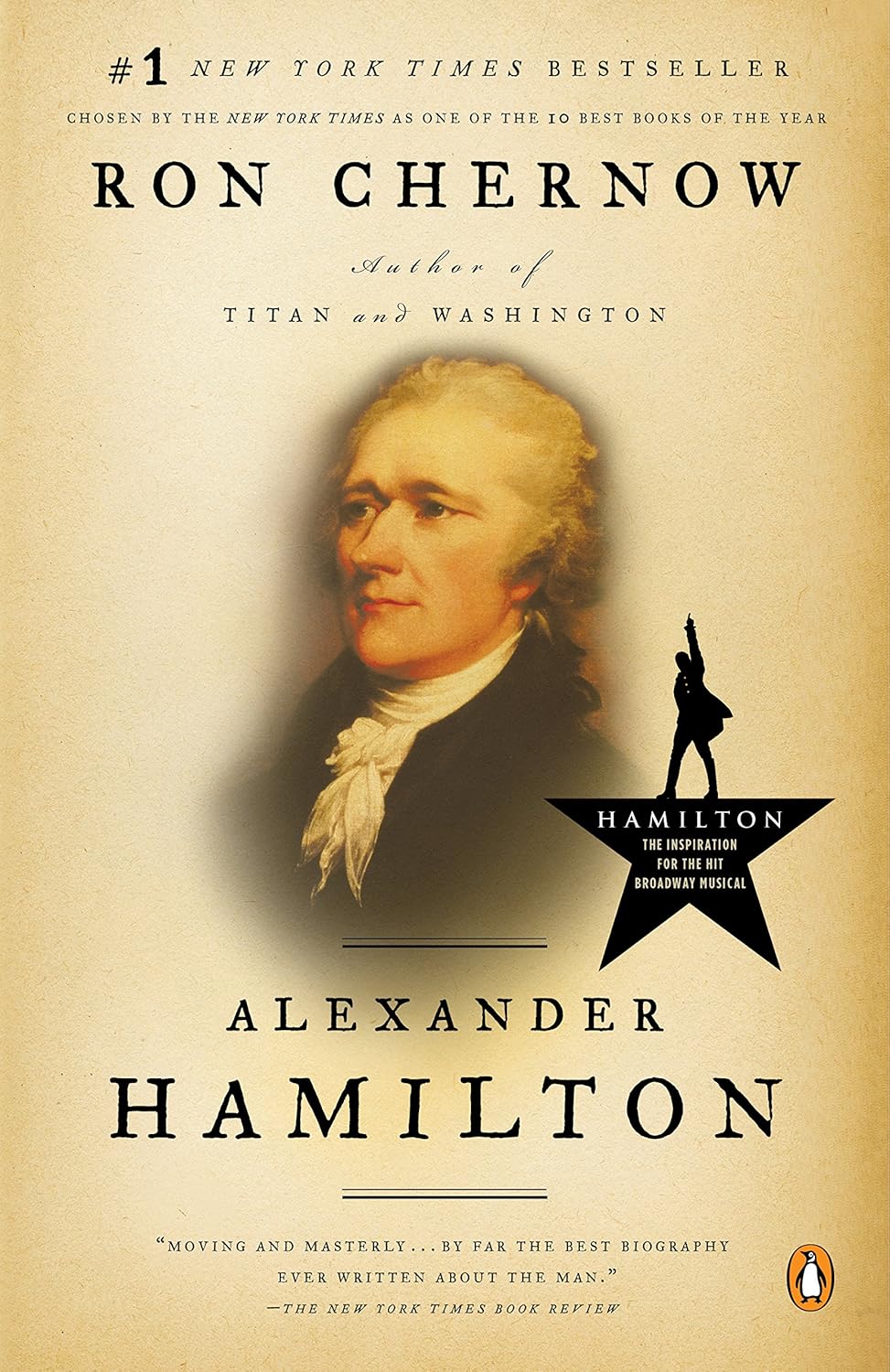
Alexander Hamilton by Ron Chernow was a great biography that I read this year. This is the book that Lin Manuel-Miranda based “Hamilton” the musical on, but that isn’t the reason I read it. In fact (unpopular opinion warning), I really don’t like “Hamilton” the musical. At all. I think it’s completely overrated. But I do love American history and Alexander Hamilton is undoubtedly one of the most influential Founding Fathers. In fact, a case could be made that he was the most influential Founding Father, as his thumbprints can be seen throughout the government and operation of the United States’s government today.
I started off reading this book, but decided to switch to the audiobook version, and I'm glad that I did. The narrator is excellent and reads the book so well.
Exceptionally well-researched, this comprehensive biography of Alexander Hamilton sheds insight on one of the forgotten Founding Fathers (though not-so-forgotten now that "Hamilton" the musical exists) and brings his story to life for contemporary readers. I learned a lot of tidbits about both Hamilton and American history. Ron Chernow does a great job of elaborating on other supporting characters over the course of Hamilton's life (namely, other Founding Fathers and Alexander Hamilton's family).
I cannot imagine how long this book took to research and stitch together. My admiration for the research process alone made me revere this book, but reading (listening to) it was really enjoyable for me as well.
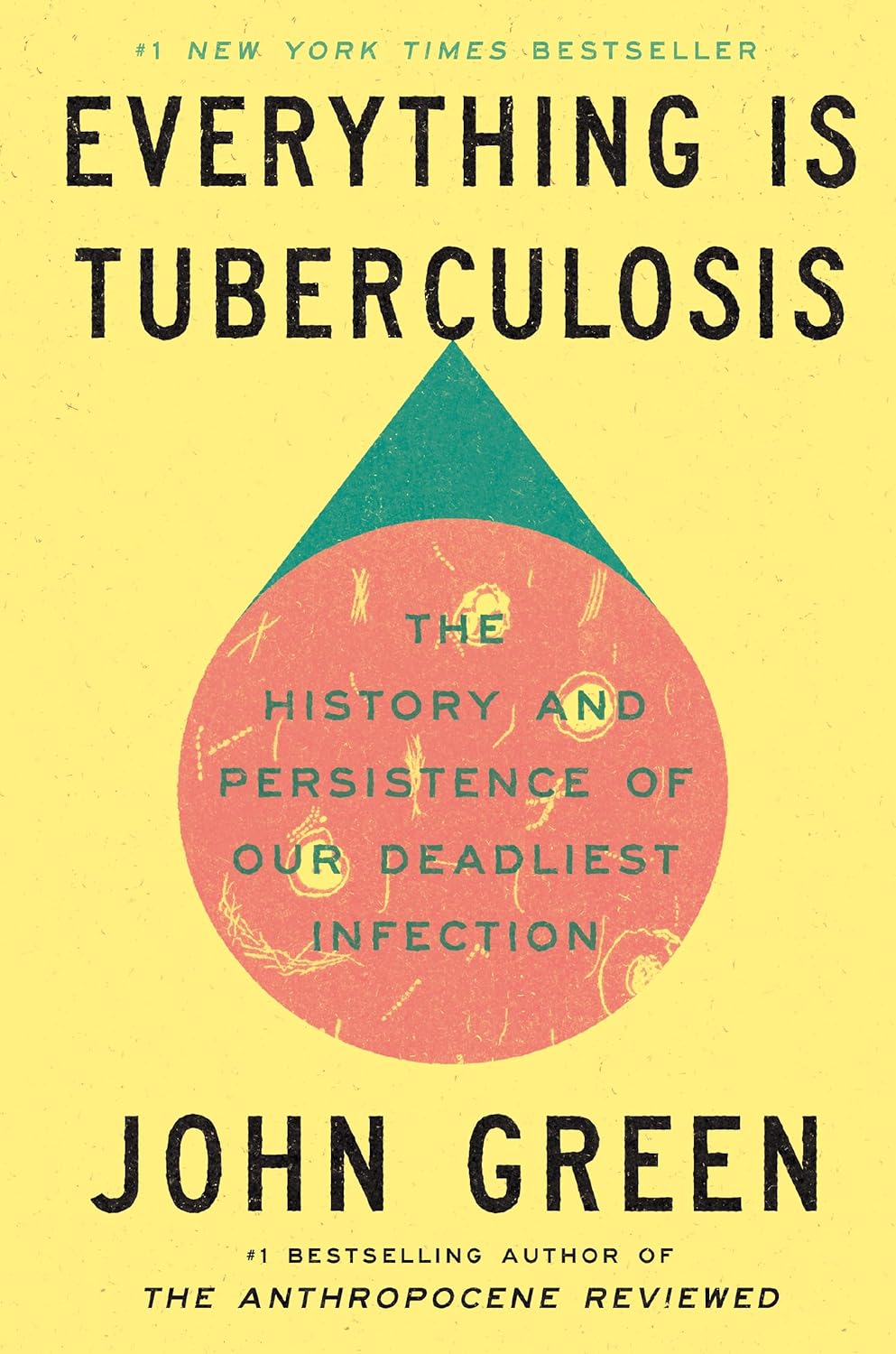
Everything is Tuberculosis: The History and Persistence of Our Deadliest Infection by John Green was fascinating, shocking, sad, and heartening all at once. I absolutely loved it.
John Green weaves the telling of the history of tuberculosis alongside the story of a young man named Henry who has tuberculosis. I'll admit that I didn't realize that tuberculosis is and remains the deadliest infection for humans. I (wrongfully) assumed it was smallpox.
The history of the disease itself and the social attitude toward it was fascinating. I identified with this many times; when I had COVID-19 early in the COVID-19 Pandemic, I faced a ton of stigma and was the recipient of many rude comments, all because I breathed air and contracted a microscopic pathogen. Since developing Long COVID after that initial infection, I've faced further stigma and annoying comments because my symptoms are not visible. "You don't look sick" or "I didn't think there was anything wrong" are common (infuriating) things I hear from people. When I describe what happened to me, I get the distinct sense from the people listening to me that they think that this is something that happens to "other people" and that won't happen to them or anyone they care about.
And maybe it won't, especially specifically with COVID-19. But illness comes for all humans, in one form or another, some more and some worse than others. I loved how John Green's inclusion of Henry's life story humanized the history of this specific pathogen. John Green's hypothesis - and my own - is that we would all treat people a little better and we would have more empathy and direct more kindness and resources toward our fellow humans if we saw ourselves in them, instead of seeing them as "other". This book is a nice complementary read to The Worth of Water in that sense.
Overall, I'd consider this one of the more enlightening books I've recently read.
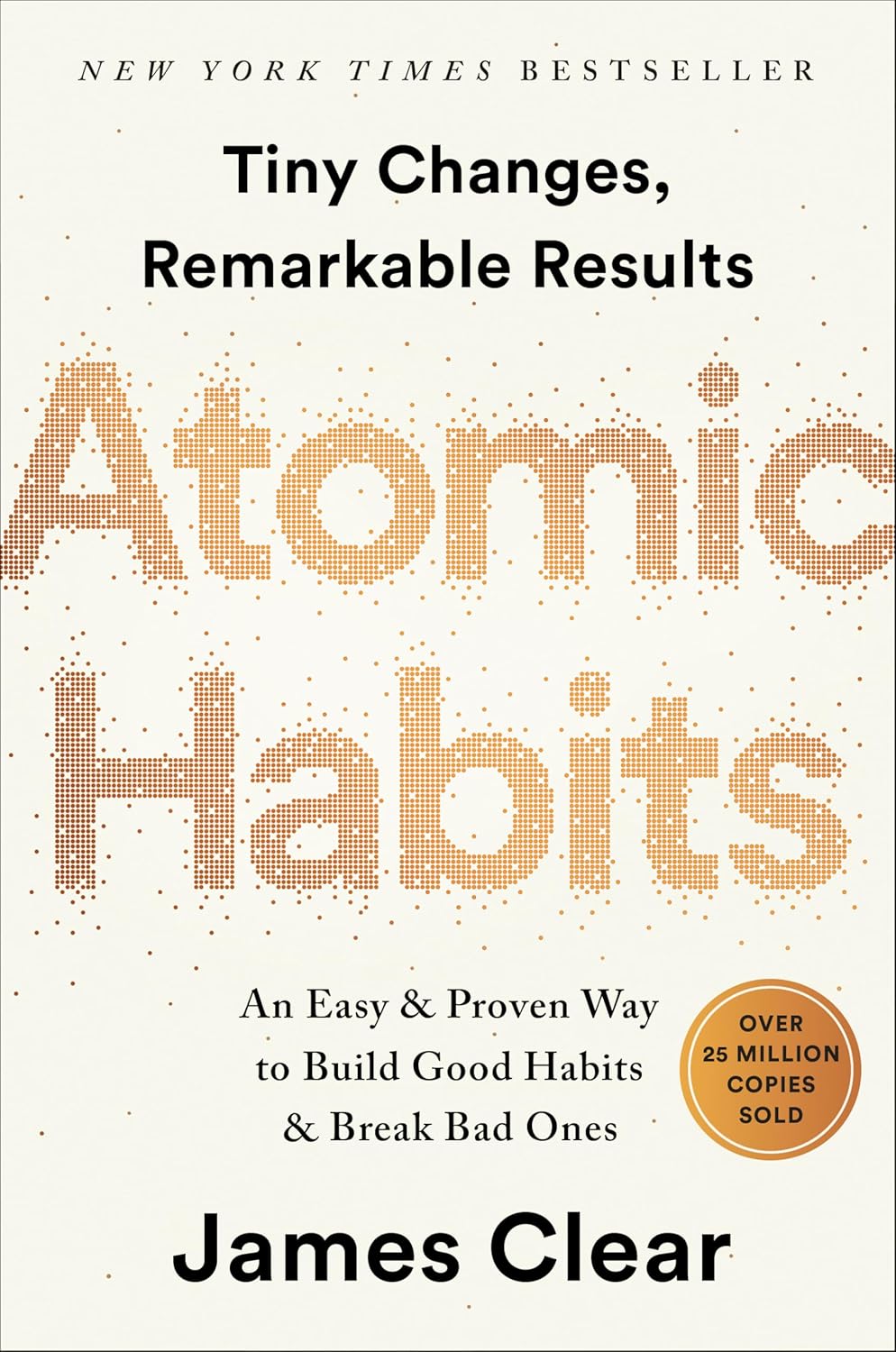
Atomic Habits: An Easy & Proven Way to Build Good Habits & Break Bad Ones by James Clear has been on my “Want to Read” list for a couple of years now, and I finally read it in 2025.
At the risk of sounding entirely self-aggrandizing, I feel like I could have written this book. It contains so, so many of the sayings, practices, and lessons that I've learned over the years and the sayings, practices, and lessons that I share with the people in my life (most frequently the athletes who I coach).
That being said, James Clear's presentation of his ideas in Atomic Habits is much more organized and articulate than I could ever have been for the same complete body of work. So while I didn't necessarily learn a ton of new things by reading this book, it was a great summarization of wonderful ideas and suggestions that I truly did enjoy reading. If nothing else, it's really nice to have everything in one package - this book.
Atomic Habits is a wonderful guide to help anyone who is seeking to learn more about themselves and how they can establish habits that work for them. It can also serve as a guide for anyone who is seeking to de-establish habits that are not serving them well.
This book is an easy read, and while it is filled with stories and science, it's also conveyed in practical speech and terms that make it accessible to a broad audience.
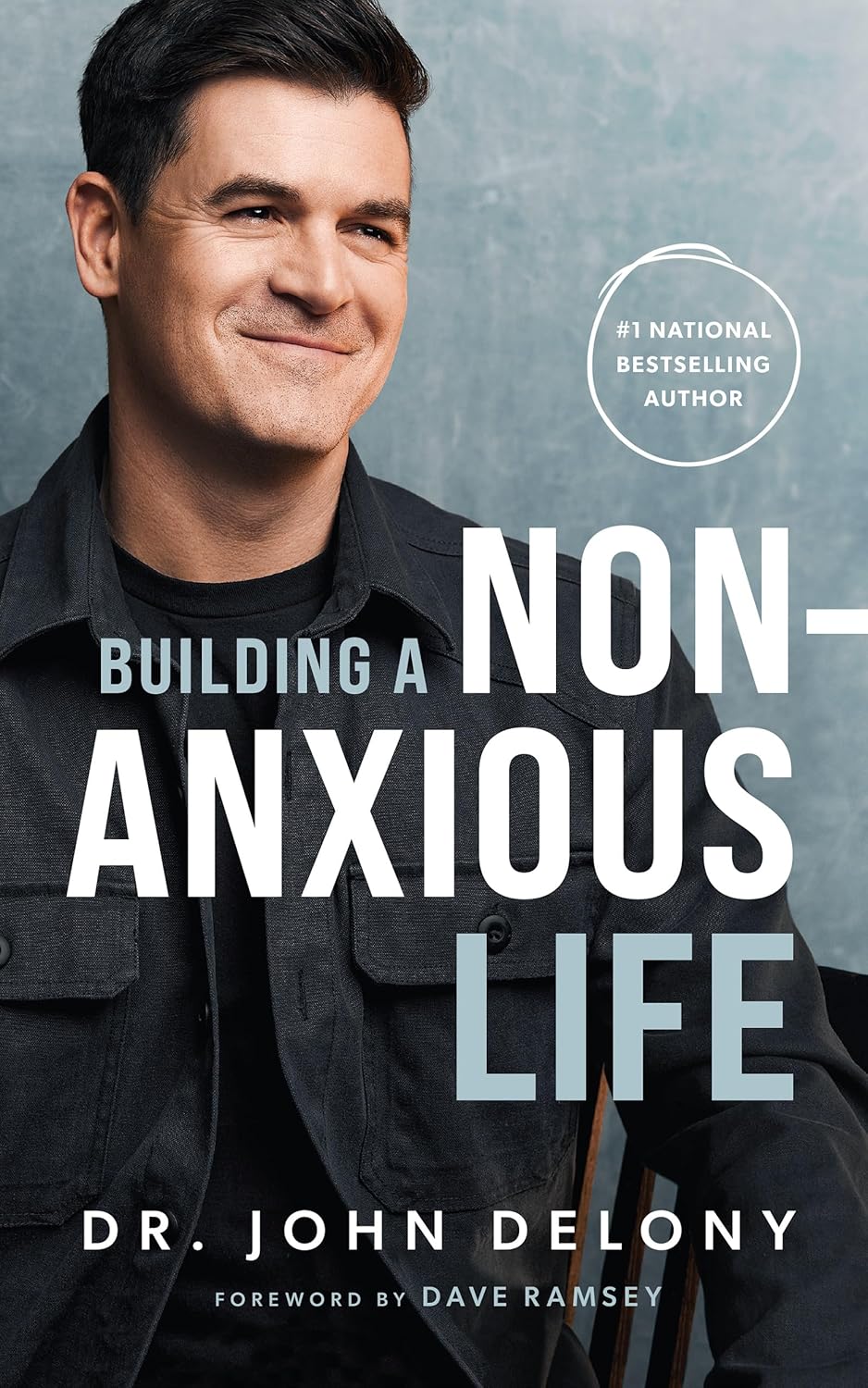
Building a Non-Anxious Life by Dr. John Delony was another great 2025 read.
I listened to this as an audiobook, which is worth doing because of how earnestly Dr. Delony narrates it and how much his inflection adds to the content of the book.
I'm a big fan of Dr. Delony, so it's not surprising that I really enjoyed this. Dr. Delony breaks down six daily choices we can make every day to help build a non-anxious life, and he outlines pragmatic ways to make them that are rooted in sensibility, not fiction. I particularly enjoyed the chapter where he explored the idea of belief; a lot of his thoughts are sentiments that I have felt myself in recent years.
The entire book feels relatable because Dr. Delony doesn't use confusing medical jargon to explain his ideas. He also uses himself as an example, but not in an obnoxious or egotistical way; it felt to me that he was demonstrating his expertise while also simultaneously acknowledging that he doesn't have all the answers and is continuing to learn and grow...just as we all are.
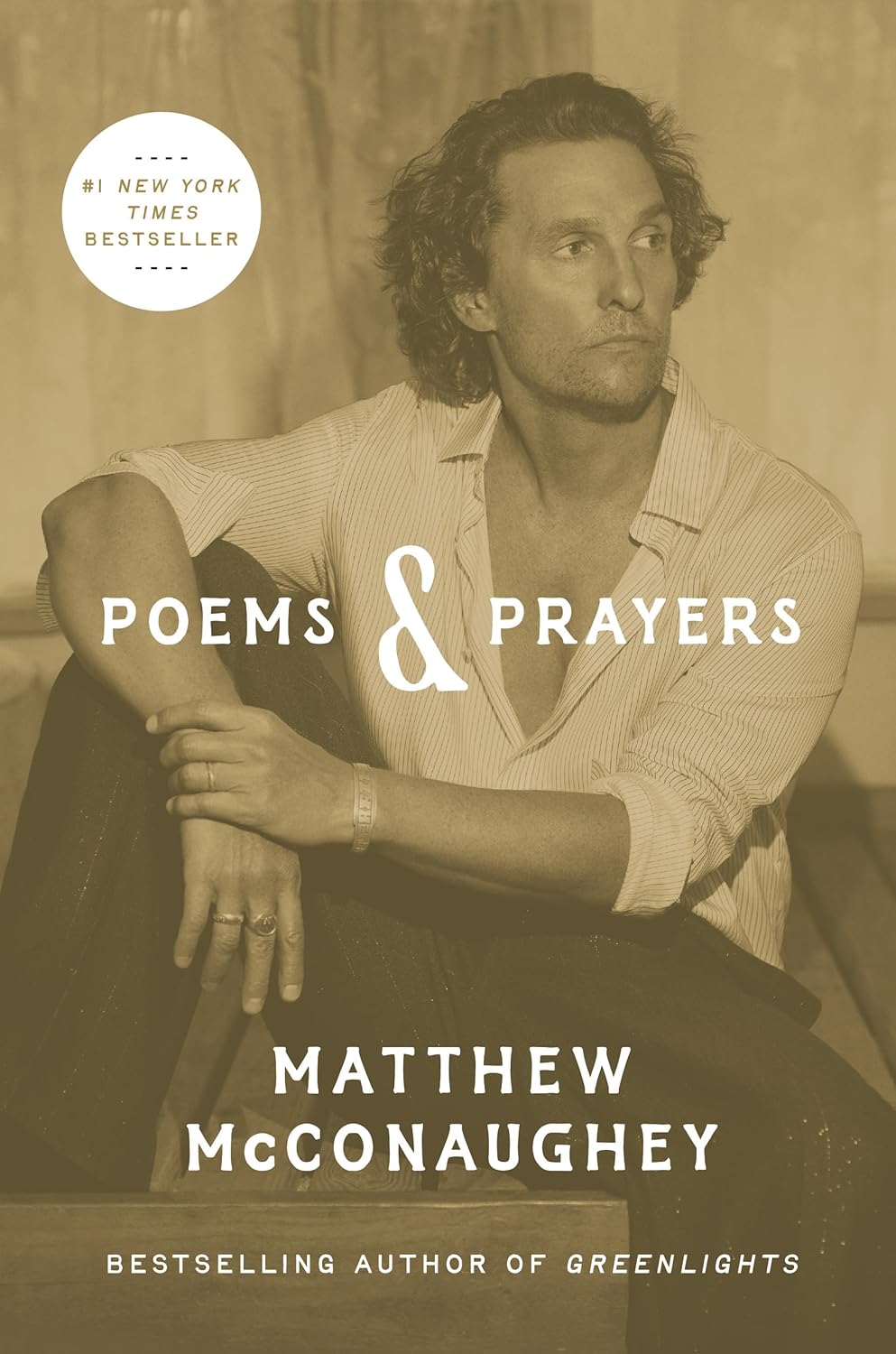
Poems & Prayers by Matthew McConaughey was a (really) short but lovely read. I absolutely loved Greenlights by Matthew McConaughey, so I was very interested to read Poems & Prayers.
Just as I did with Greenlights, I decided to listen to the audiobook version of Poems & Prayers, and this was a very wise choice. Matthew McConaughey narrates it himself, and getting to hear this exceptionally personal book in his own voice with all of the inflection, laughs, and extra commentary was thoroughly enjoyable.
Are these poems on the same level as the "great" poets that are in the Canon? Probably not. But I think that's what makes them so relatable and so enjoyable. These are deeply personal reflections on life and are clearly a tool that Matthew McConaughey has used to help process events in his life, talk to God, learn more about himself, and to record eras or moments throughout his life. They're not perfect or profound...just like we humans are not perfect or profound.
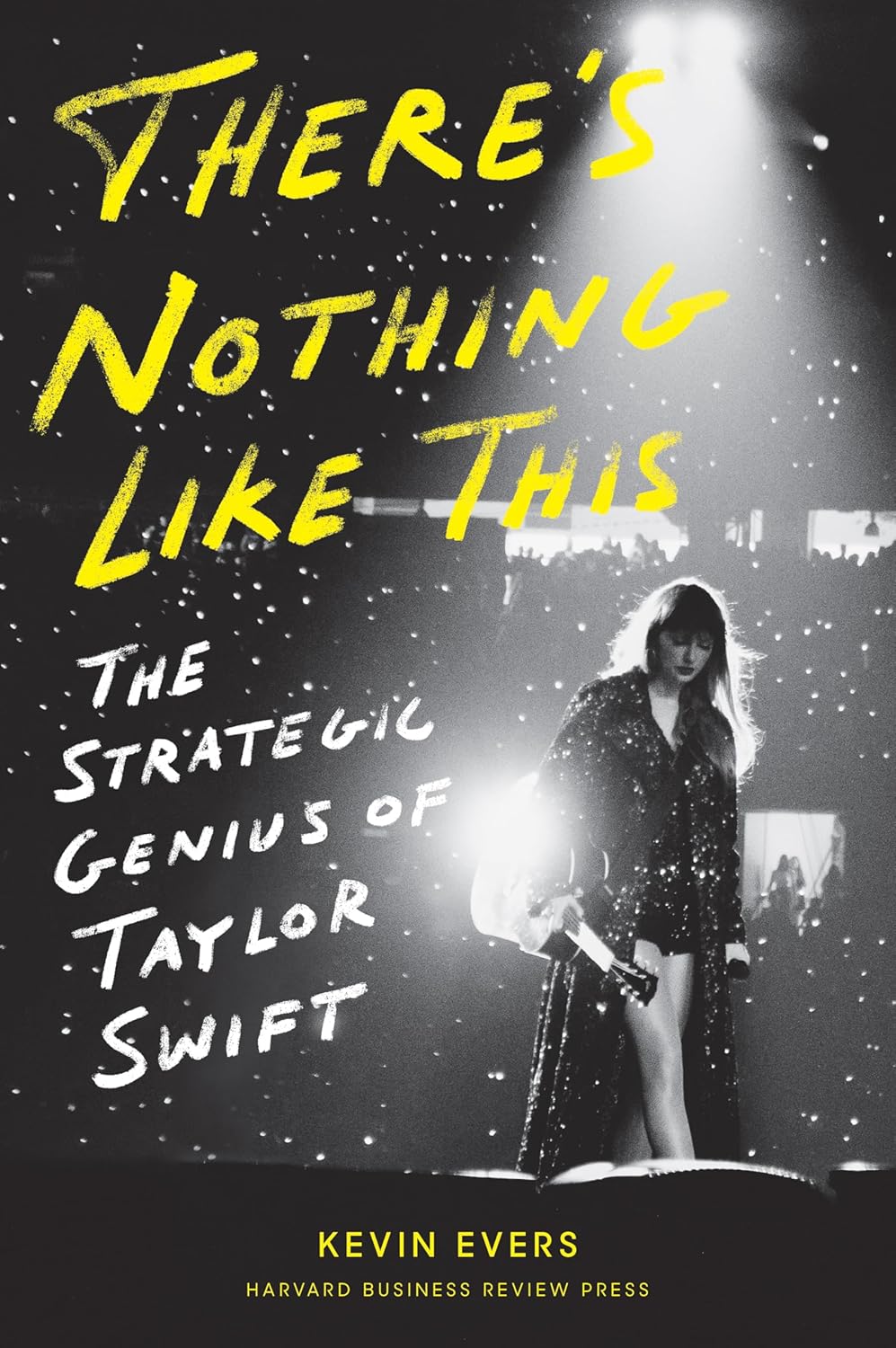
There’s Nothing Like This: The Strategic Genius of Taylor Swift by Kevin Evers is a well-researched and well-written exploration of the career of Taylor Swift from her childhood through the release of Midnights and the beginning of The Eras Tour. It’s an easy read, and I enjoyed learning more about Taylor Swift and some of the finer details of how her career has unfolded.
I’m not a Swiftie (really, I’m not), but I do have a lot of respect and admiration for Taylor Swift. People love to hate on her because of how famous and popular she has become (and…dare I say…because she’s female?), but the reality is that she's a very smart and savvy businesswoman who has meaningfully reshaped the music and entertainment industries. And what she's done hasn't just been for her own benefit; countless other artists have benefited as well. By asking hard questions, standing firm on what matters to her, and treating her team with dignity and respect, like her or hate her, there really hasn't been anything like Taylor Swift.
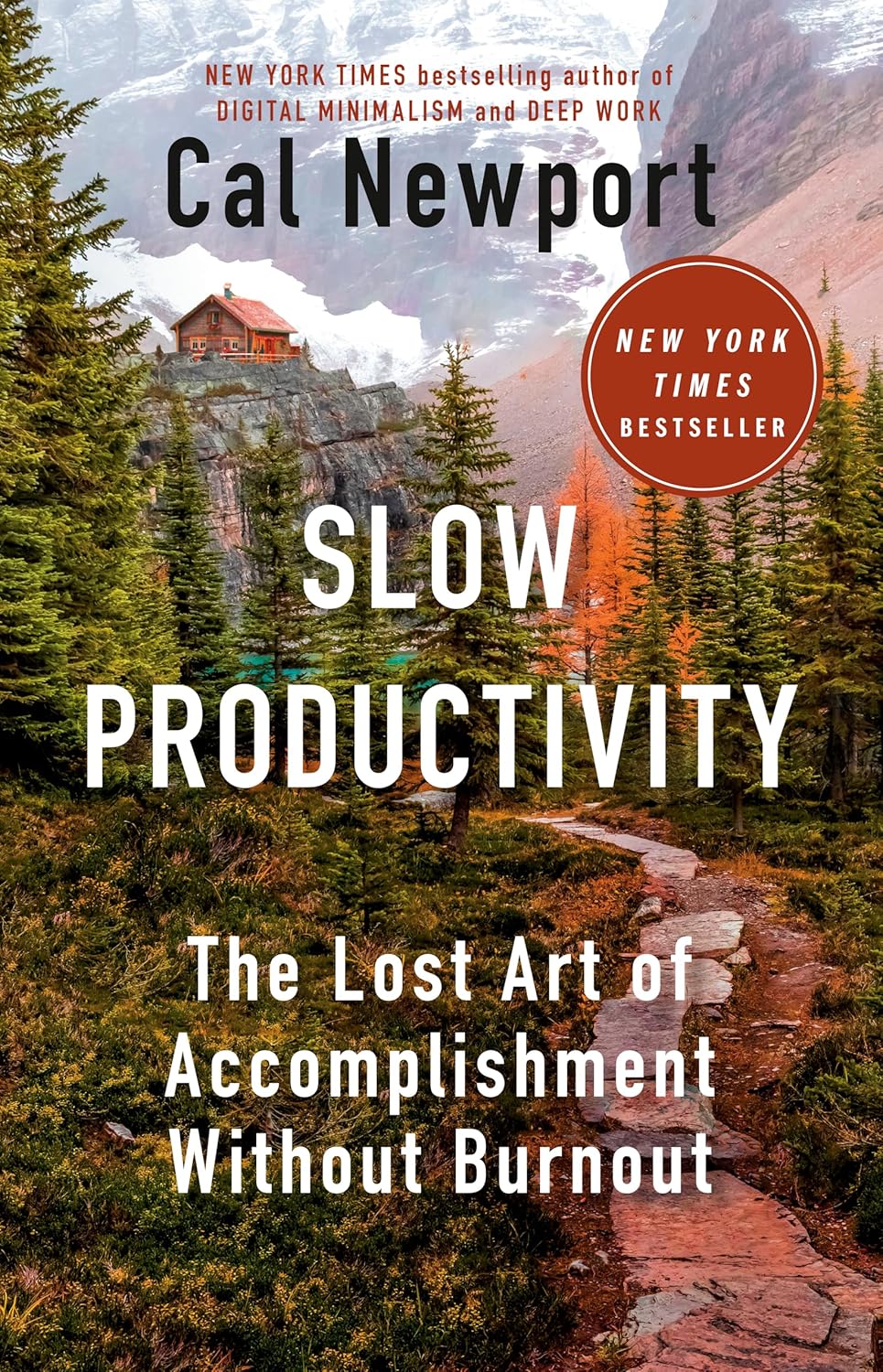
I’m a big fan of Cal Newport’s work, so I was excited to read his latest book, Slow Productivity: The Lost Art of Accomplishment Without Burnout.
Unfortunately, I can only describe my relationship status with this book as "It's complicated."
First of all, I am referenced (by name!) in this book. I had no idea that this was the case until I read it, but there I was. I participated in a reader survey a few years before the book was published, and apparently what I said was noteworthy enough to prompt Dr. Newport to include it in his published book. I haven’t ever been published in a book like this before, so stumbling across this was a lovely little surprise for me.
Aside from my shock and delight at finding myself in the book: I love Cal Newport and I've really enjoyed most of his books and content over the years. (Digital Minimalism: Choosing a Focused Life in a Noisy World is a particular favorite of mine.)
This book, however, was a little disappointing for me. It didn't contain as much practical, actionable advice as I hoped it would. It also felt like a bit of a rehashing of ideas that he's already shared in numerous other media, to include The New Yorker, his podcast, and his previous books. In fact, he summarizes some of his articles that he’s written for The New Yorker in the book.
That being said, for someone who hasn't ever read any of his content or listened to him, this book might be a useful and valuable read. It does contain a lot of good historical examples of why slow productivity is such a good practice. It also contains a few more contemporary examples.
So. I (obviously) think that it is entirely awesome that he referenced me and what I said in the book. The ideas behind the book are sound. But the execution was lacking in terms of what I've come to expect from him.
I also listened to the audiobook version. Having listened to Cal's podcast for several years now, I know that the voice he read the book in is not his normal cadence. He actually talked about this on the podcast and said how one has to read differently for audiobooks. I disagree; I think the way he read this was too flat and monotone, which likely contributed to the book not sounding as good as it could have been.
And in short, that's why my relationship with this book is complicated.
Disclosure: Some of the links above are affiliate links, meaning, at no additional cost to you, I will earn a commission if you click through and make a purchase. Thank you for your support!


Laura Henry is a Syracuse, NY-based coach who is a USA Triathlon Level II Long Course and Level II Paratriathlon Certified Coach, USA Cycling Level 2 Certified Coach, VFS Certified Bike Fitter, SICI Certified Bike Fitter, and has successfully completed NASM's Certified Personal Trainer course. Coach Laura is passionate about helping athletes of all ability levels reach their goals and has coached hundreds of athletes to success over the course of her career.
She can be reached at Laura@FullCircleEndurance.com.
Have a question or ready to get your TRAINING started?
Fill out our Contact Form to the right and we will get back to you shortly!
.svg)

