


This year, I read quite a bit of fiction. (If you’re interested in seeing all of what I read and/or discussing them, I invite you to follow me on Goodreads.) Unfortunately, a lot of the fiction I read falls into the “meh” category for me and I wasn’t necessarily ultimately very enthusiastic about many of the titles that I read. But there were 10 fiction books I enjoyed, so here they are. (If you’d like to see which nonfiction books I enjoyed in 2025, you can read my Top 15 Nonfiction Books of 2025.)
If you’re interested in seeing my Top Book Lists from past years, you can check them out:
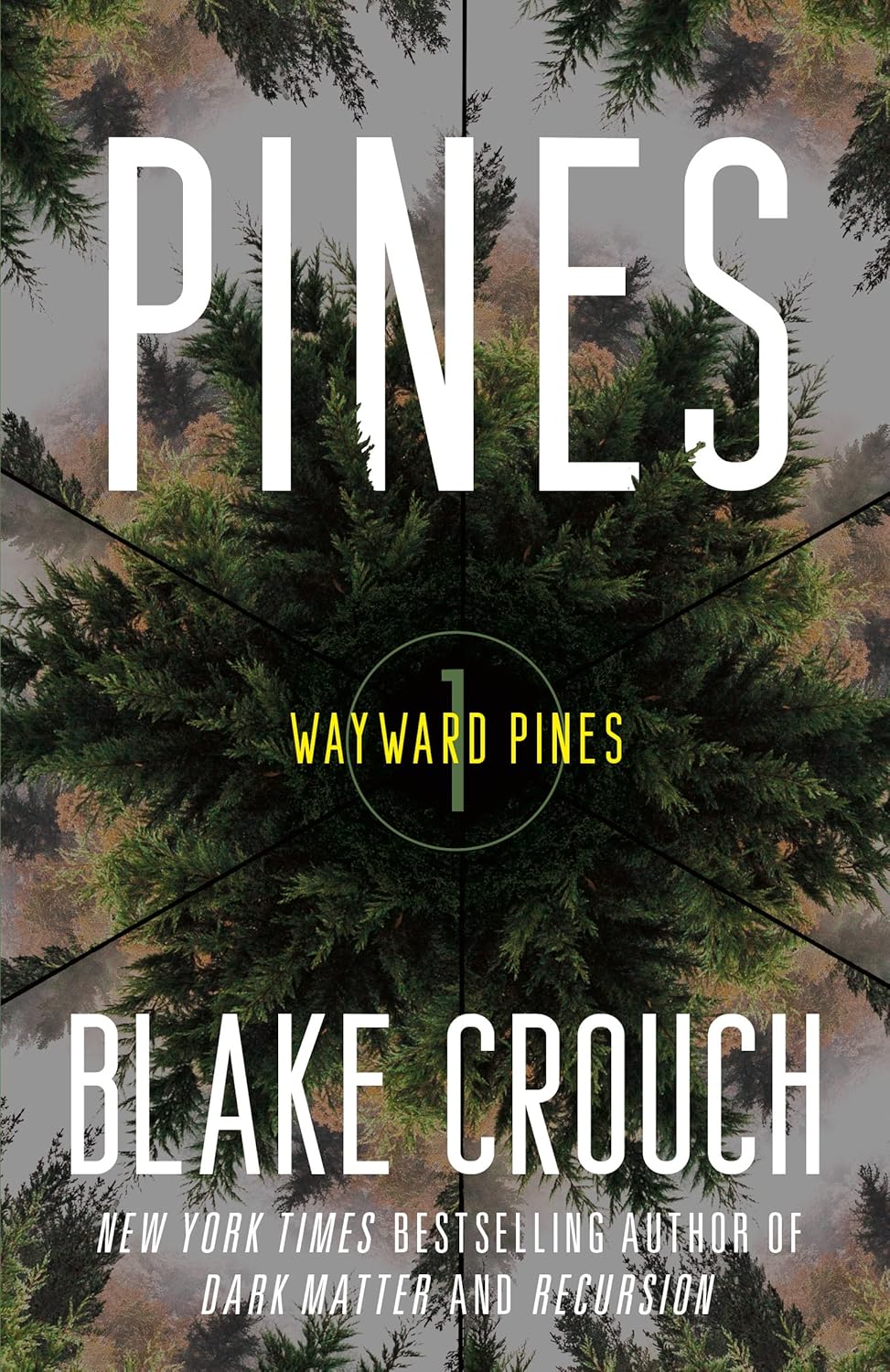
Pines by Blake Crouch
Wayward by Blake Crouch
The Last Town by Blake Crouch
I found The Wayward Pines Trilogy on Goodreads; someone who I follow put one or more of the books in the trilogy on their reading shelf and for some reason, I thought it looked intriguing. (Note: I don’t actually usually read the plot summaries of books much these days. For better or worse, I judge books by their covers and by what people who I trust say about them.)
Anyway, I ended up really enjoying Pines when I read it. It’s a dystopian book, which is a genre of fiction that I really, really love. To give much detail about the story would be to give spoilers, and since I hate spoilers I won't do that in this review. The book’s story wasn't at all what I expected and the mystery of what was going on kept me very engaged. I think not reading the book’s summary before I read the book actually really worked to my advantage and dramatically increased my enjoyment of the book and the series overall. I think the premise of the story is very creative and I found myself looking forward to the other two books in the trilogy by the end.
In Wayward, Blake Crouch further developed some of the characters from Pines and also expanded the story from the first book well. There was a significant cliffhanger at the end of Wayward, which really had me looking forward to The Last Town.
The Last Town was a great conclusion to the trilogy. Each book has a slightly different narration style from the last, which I feel is appropriate and a good choice on the author's part; the narration expands as the story expands.
The ending of the book (and therefore the trilogy) was satisfying for me and I liked that the author didn't drag it out for the sake of dragging it out. The book and the ending were both paced well. Just like with the first two books, I can't give more details without giving spoilers. Part of what I loved about the series is that I didn't know anything about it, and therefore had no idea what might be coming next.
All in all, I recommend this series to anyone who enjoys thrillers and books with suspense.
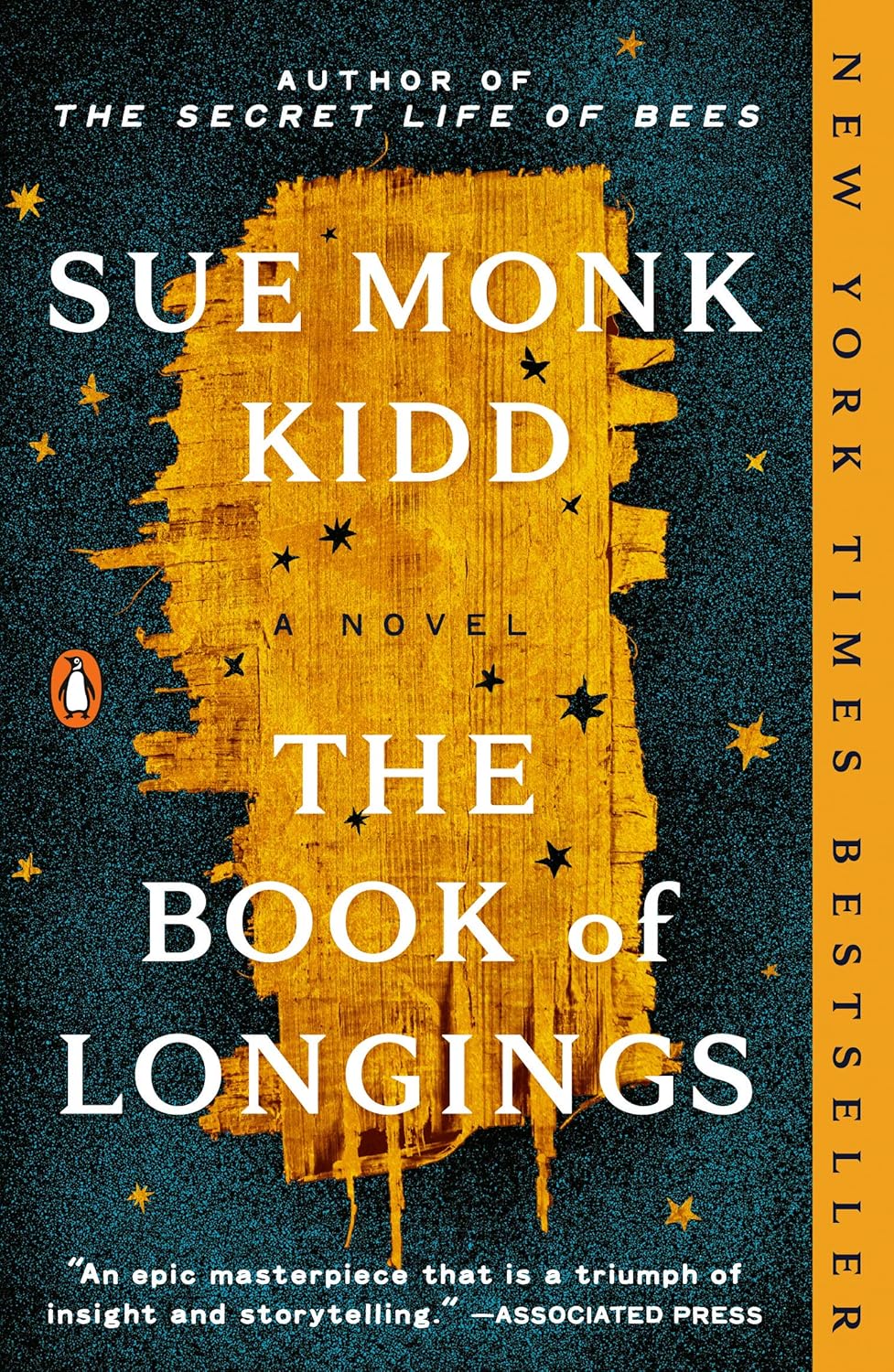
The Book of Longings by Sue Monk Kidd imagines the story of the fictional wife of Jesus Christ, whom the author names Ana.
The Bible doesn't say that Jesus was married, yet it also doesn't clearly state that he was single. I've long been interested in the idea that has been proposed by Biblical scholars that it would have been highly unusual for a man of Jesus's age to be unmarried at the time that he lived, and thus, I've always been interested in the idea that he might have been married. If he was, the status that women had in society during his lifetime would have been insignificant enough for a real wife of Jesus Christ to be obliterated from the history books, especially if being married didn't fit with the idea and narrative of Jesus that was crafted after his death.
So this fictional story about who the wife of Jesus might have been was very interesting to me, and I found this book to be well-researched and both beautifully and emotionally written. It's a lovely novel.
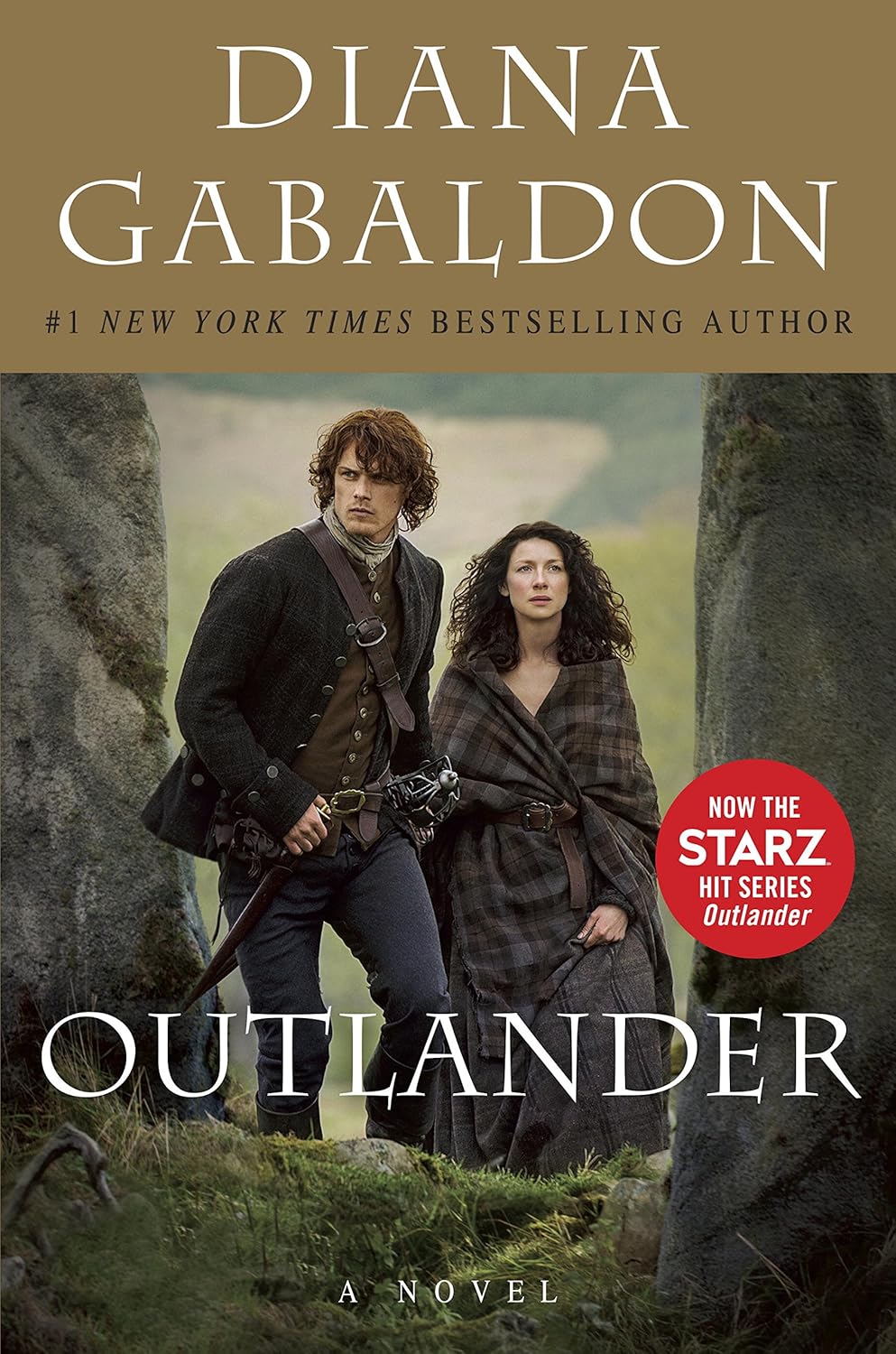
I finally read Outlander by Diana Gabaldon in 2025. (I also read three of the other books in the series this year: Dragonfly in Amber, Voyager, and Drums of Autumn.)
My childhood friend Caitie LOVED Outlander when we were in high school. I specifically remember her carrying around each book in turn as she got to it in the series. I bought several of the books in the series (I actually think I may have purchased all of the books that were published up until that point). But I purchased them in the mass market paperback edition, and this was before I appreciated that there are some books that work in that format...and there are others that don't. Outlander, due to its length, is a book that doesn't work well in this format. The binding is so thick and the words are so small.
Additionally, I wasn't gripped by the story then. Maybe it was my age, maybe it was the Scottish dialogue (which, perhaps due to my age, felt confusing to read/understand back then), maybe it was the story itself. But I don't actually remember finishing the book, and the other books in the series sat unread on my shelf for many years.
I was listening to an instrumental station on Pandora (as I do), and a song came on that I loved, but I had not heard before. When I checked it, I saw that it was from Season Four of “Outlander” (the TV show). It is not uncommon for me at all to hear a song and then watch the media it is associated with. I reactivated my Netflix account in the fall of 2024 and saw that the first six seasons of “Outlander” were on it. I decided to give them a watch.
Well, color me obsessed. It's quite literally the best-produced TV show I've ever seen. It drew me in with its storytelling, its set design, its costume design, its music, and the strength of its cast. After watching all seven seasons of the show that have been released, I decided that I was going to revisit the books.
Well. My experience reading Outlander now (20+ years after I first tried to) was entirely different from what I remember back then, and now I completely understand why Caitie was so riveted by these books back then. I loved, loved, loved the book and was totally engrossed by it.
As I was reading, I was struck by how faithfully they did adapt it for the first season of the show. Sure, they've changed some things...as adaptations always have to. But not major things. The show is an excellent, faithful adaptation, and for me, it was a strange thing to be reading a book for the first time while also simultaneously knowing what was going to happen. (Especially since I generally HATE spoilers.) That being said, this did not detract from my experience reading the book.
Onward to read all of the rest of the books in the Outlander series.
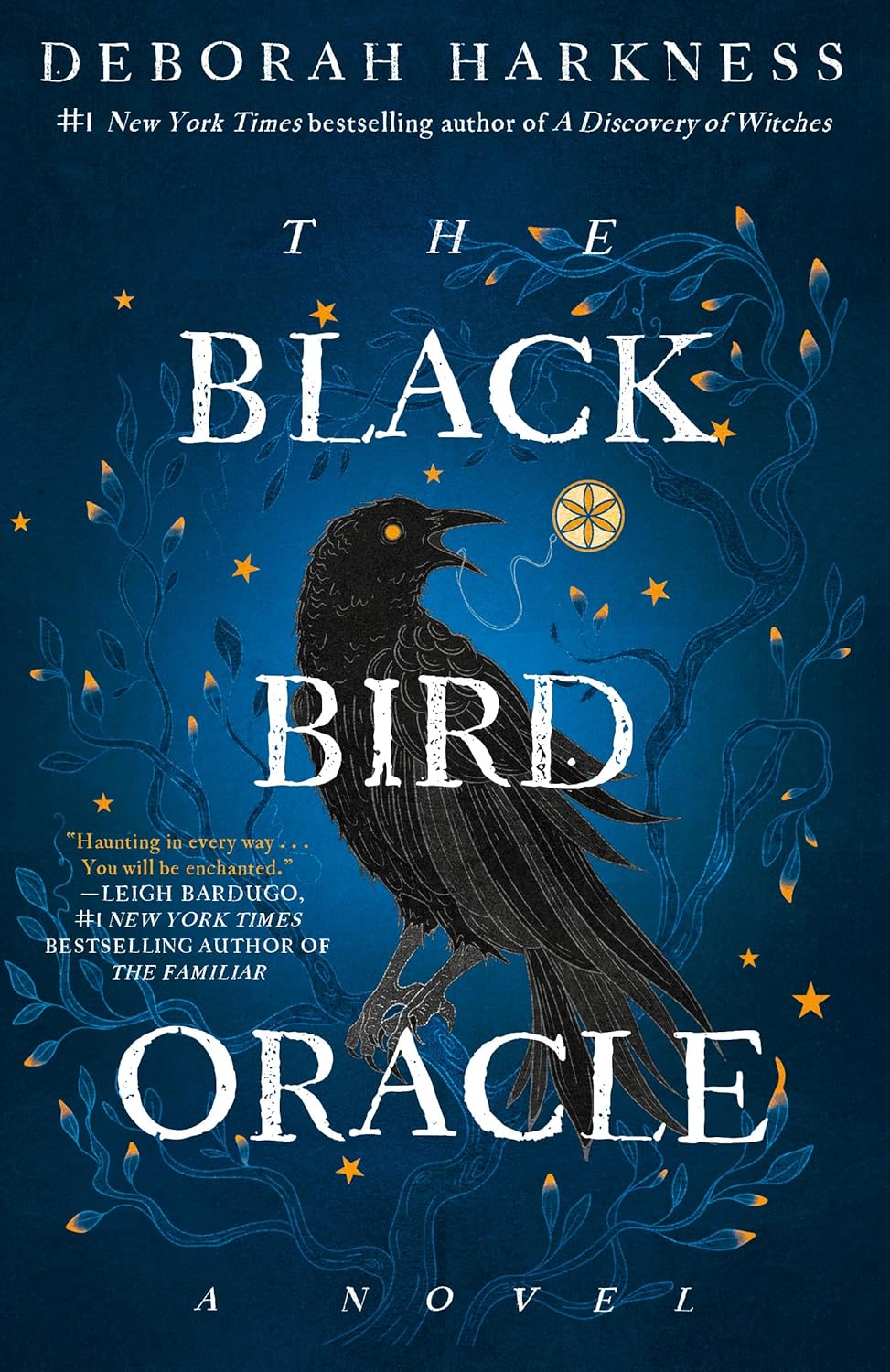
The All Souls Trilogy by Deborah Harkness is one of my favorite book series of all-time. I re-read that series last year, and then this year I decided to read the other two books that have been published in this series (Time’s Convert and The Black Bird Oracle).
After being pretty darn disappointed with Time's Convert (Book #4 in this series), I was delighted to discover that The Black Bird Oracle was much, much better and had the same feel as the original three/first three books in the series.
I loved how the author explored the other side of Diana's family, how we got more history about witches and creatures in general, and how many more characters were introduced (to demonstrate the complexity of this world). I essentially read this book in two days, which is how quickly I read the original trilogy when it was first released. I'm looking forward to the next book and selfishly (since this book doesn't wrap up neatly and leaves off with a bit of a cliffhanger), I hope it's released in the next year or two.
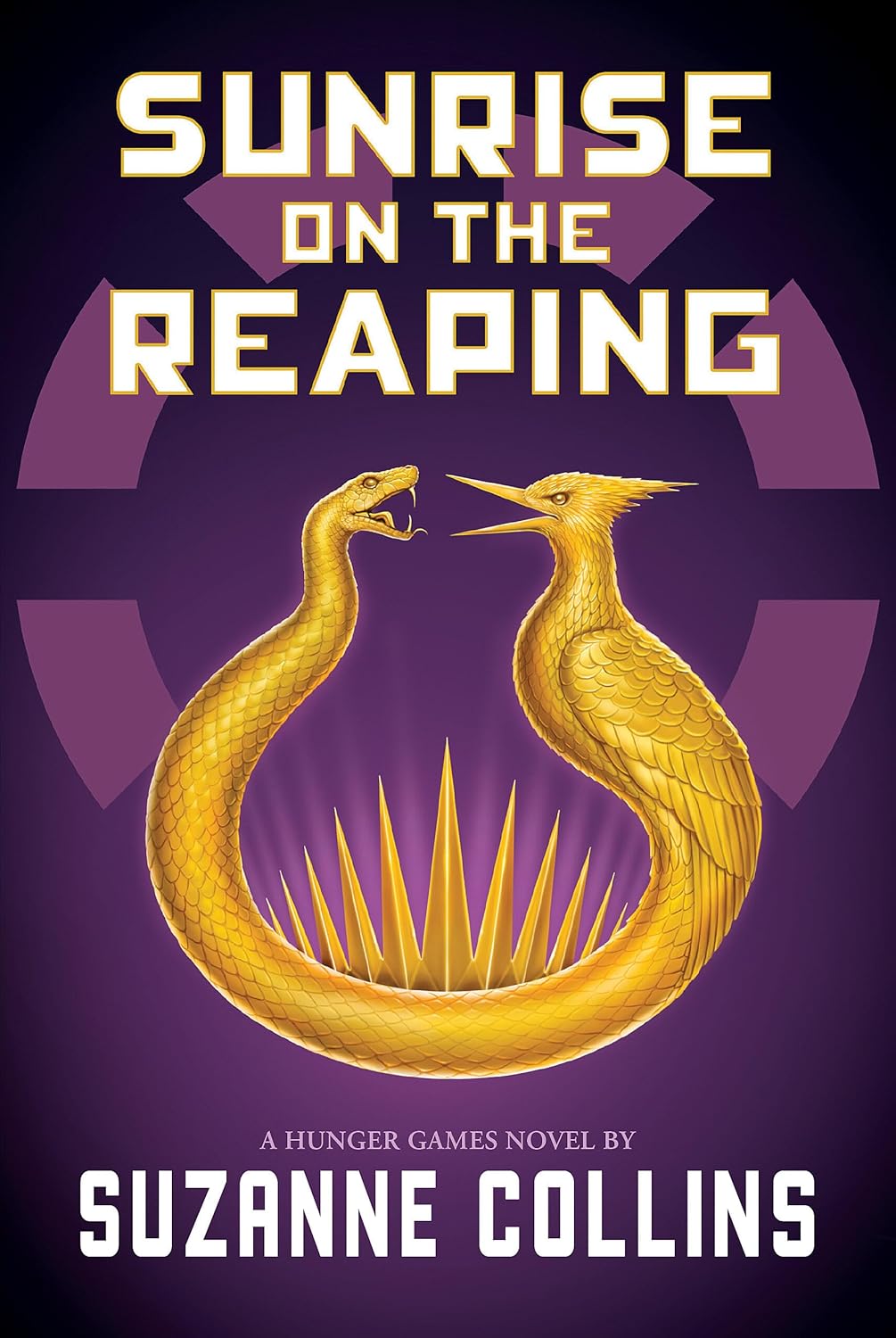
I love The Hunger Games original trilogy by Suzanne Collins, but The Ballad of Songbirds and Snakes was such an utter disappointment to me that I was somewhat nervous to read Sunrise on the Reaping (the fifth book in the series). Fortunately, Sunrise on the Reaping was much, much better than The Ballad of Songbirds and Snakes.
There's still a fair amount of poetry and song lyrics in this book (which was one of the things that I absolutely hated about The Ballad of Songbirds and Snakes), but it's not nearly as pervasive as it is in The Ballad of Songbirds and Snakes.
I really liked discovering Haymitch's origin story/back story and seeing characters from the original trilogy pop up earlier in their lives as well. The Hunger Games has a ton of "Katniss inner dialogue" (something that some readers detest), and this book has a ton of "Haymitch inner dialogue". That being said, I think it contributes to the story and mirrors what it's like in our own heads when we're navigating our lives…how we perceive what we're seeing and experiencing, our thoughts about ourselves, our longings, etc.
Overall, I found this engaging and I really enjoyed it.
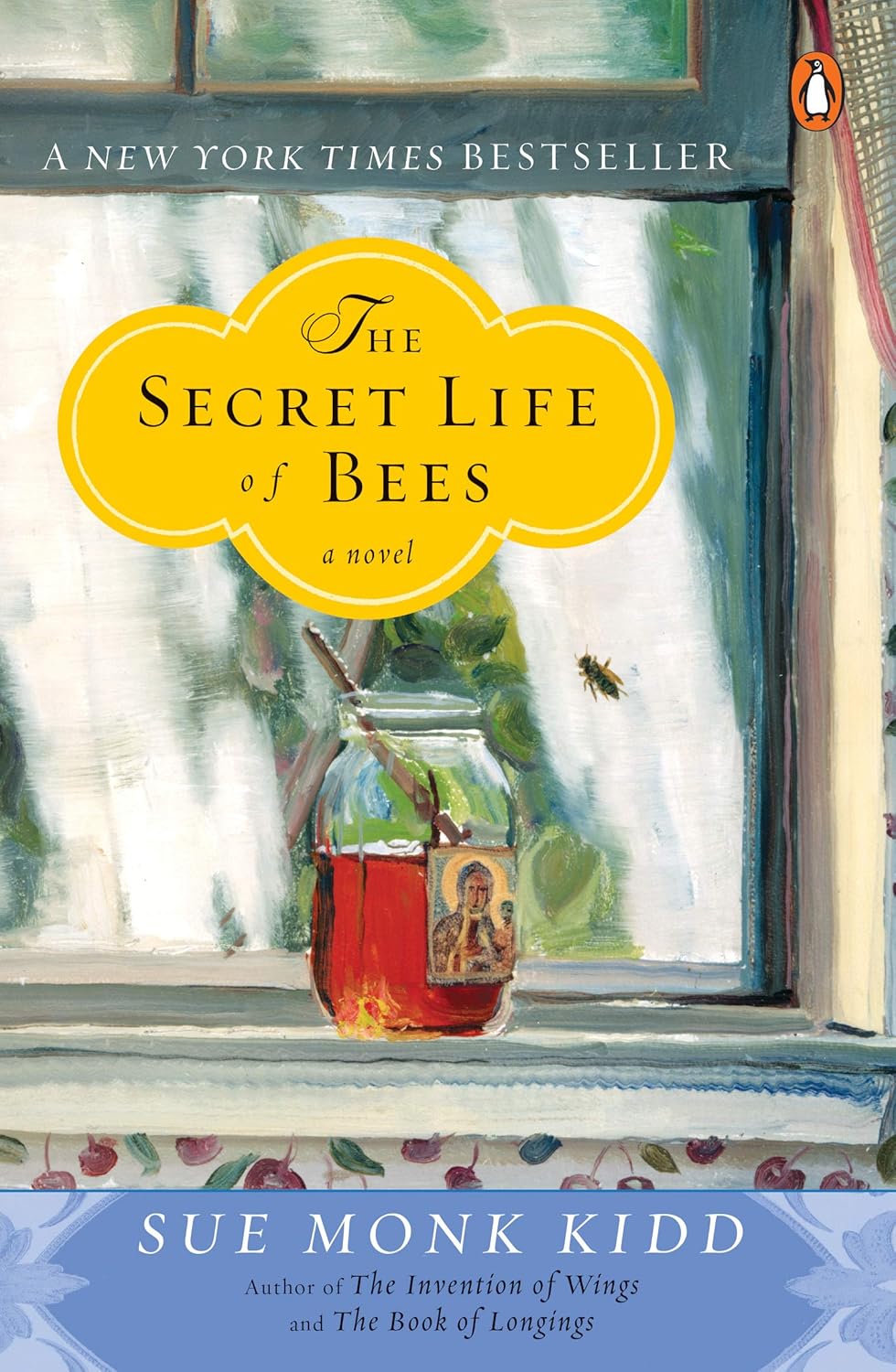
Sue Monk Kidd makes a second appearance on my Top 10 Fiction Books of 2025 list with The Secret Life of Bees.
I’d heard of this book, but knew nothing about its actual plot. It’s a very good coming-of-age story. I didn't see where this story was going when I started the book, but as it progressed, I got more into it. I enjoyed the narrator's voice and I enjoyed the different characters she met along the way. It is an easy and enjoyable read.
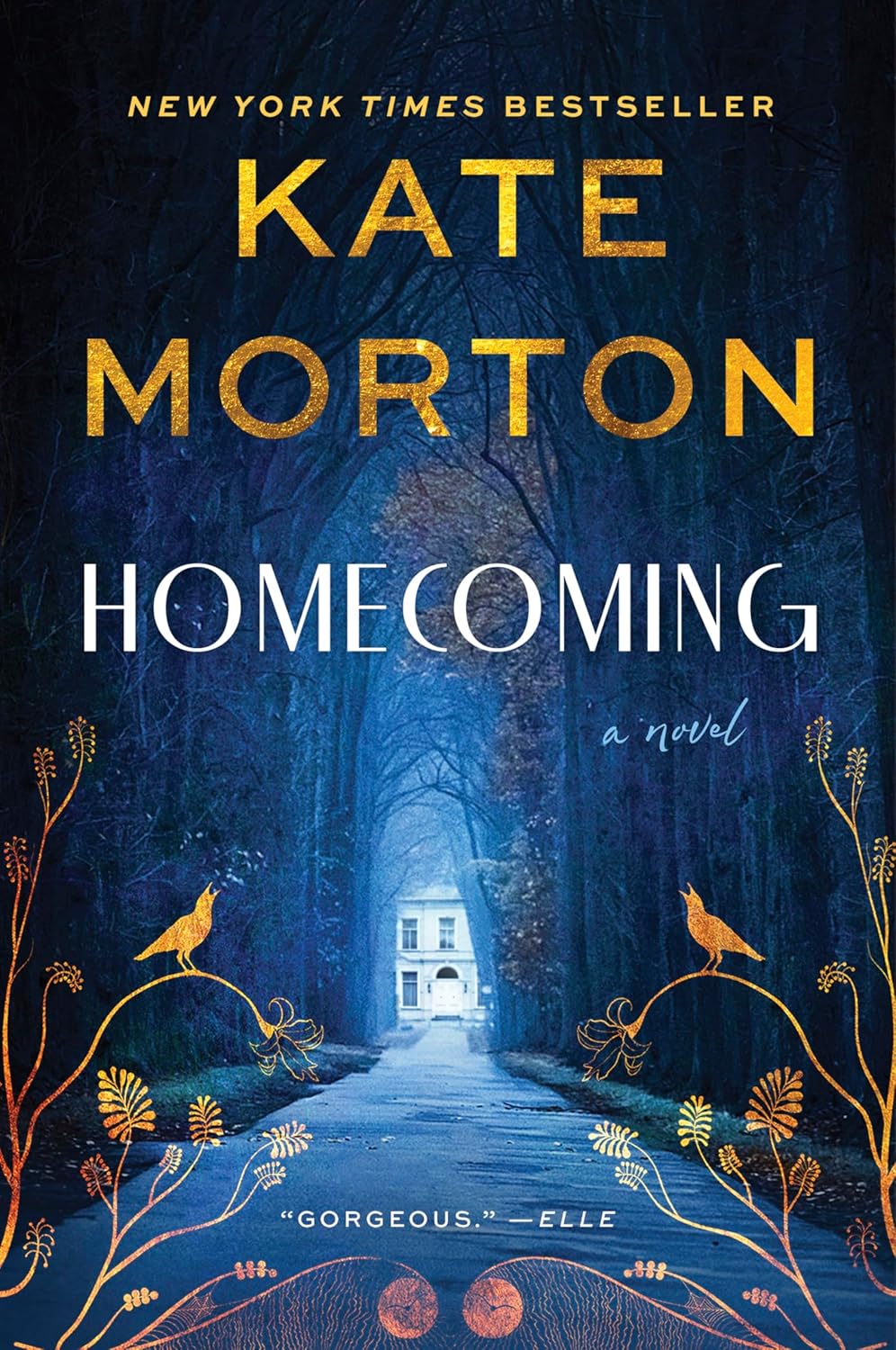
Homecoming by Kate Morton was slow to start, but I'm glad I stuck with it because it became really interesting and engaging once I was through the first several chapters.
The way the story is told is different than other books I've recently read; it alternates narrators in different time periods, but also narrates the story via a book that one of the narrators discovers and reads, which I thought was an interesting way to tell the story and honestly was more engaging than the previous chapters.
The story is a bit of a mystery, but not in the traditional sense and this book doesn't follow the traditional "Who done it?" model that a lot of contemporary mystery novels do. I figured out part of the mystery, but definitely not all of it, and that element of complexity and surprise added to my enjoyment of the book.
Overall, I'd say that this was much better than I expected and is definitely a novel I'd recommend.
https://amzn.to/4qzATE6
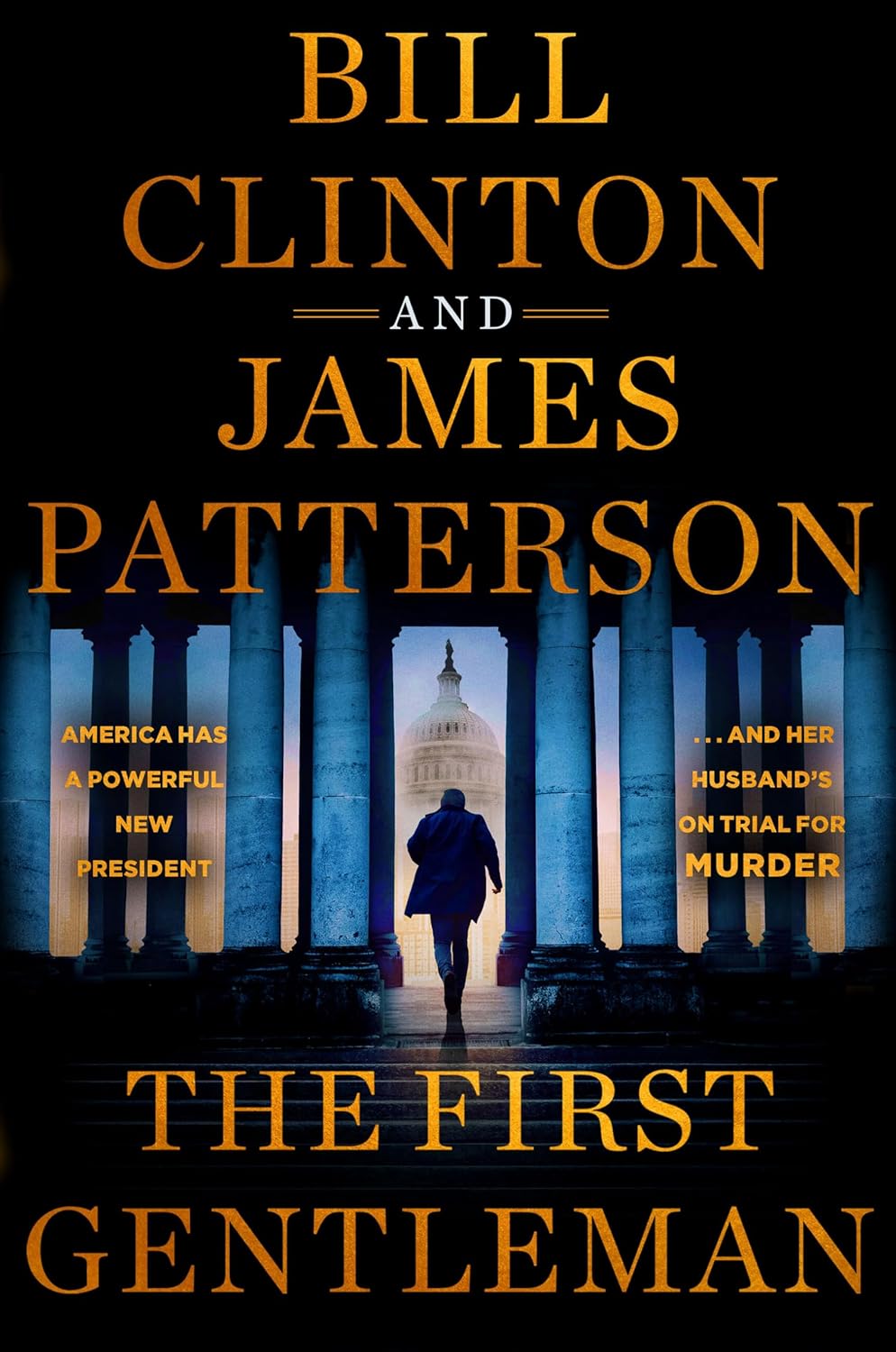
I really enjoyed the first two novels that President Bill Clinton and James Patterson wrote together (The President is Missing and The President’s Daughter), so I was eager to read their latest, The First Gentleman.
I enjoyed the premise of the story (that the First Gentleman of the United States was on trial for murder) and how the chapters alternated narrators. There's one first-person narrator (Brea Cook) and at least six other narrators whose chapters are written in the third person. Having alternating narrators allowed for a nice variety of perspectives in the story.
The story was engaging, though I figured out most of the ending earlier on. The fact that I was able to figure it out plus how the chapters were written (140+ of them, very short, almost all of them ending with some "big revelation", "big comment", or cliffhanger) is why this book is lower on my list of fiction books for the year. I found that decision of how to write the book both easy to read (which I did appreciate), but fatiguing by the time I was at the 100+ chapter point (I actually caught myself rolling my eyes around Chapter 130-ish).
Overall, I did really enjoy this and I hope that President Clinton and James Patterson team up again for another one.
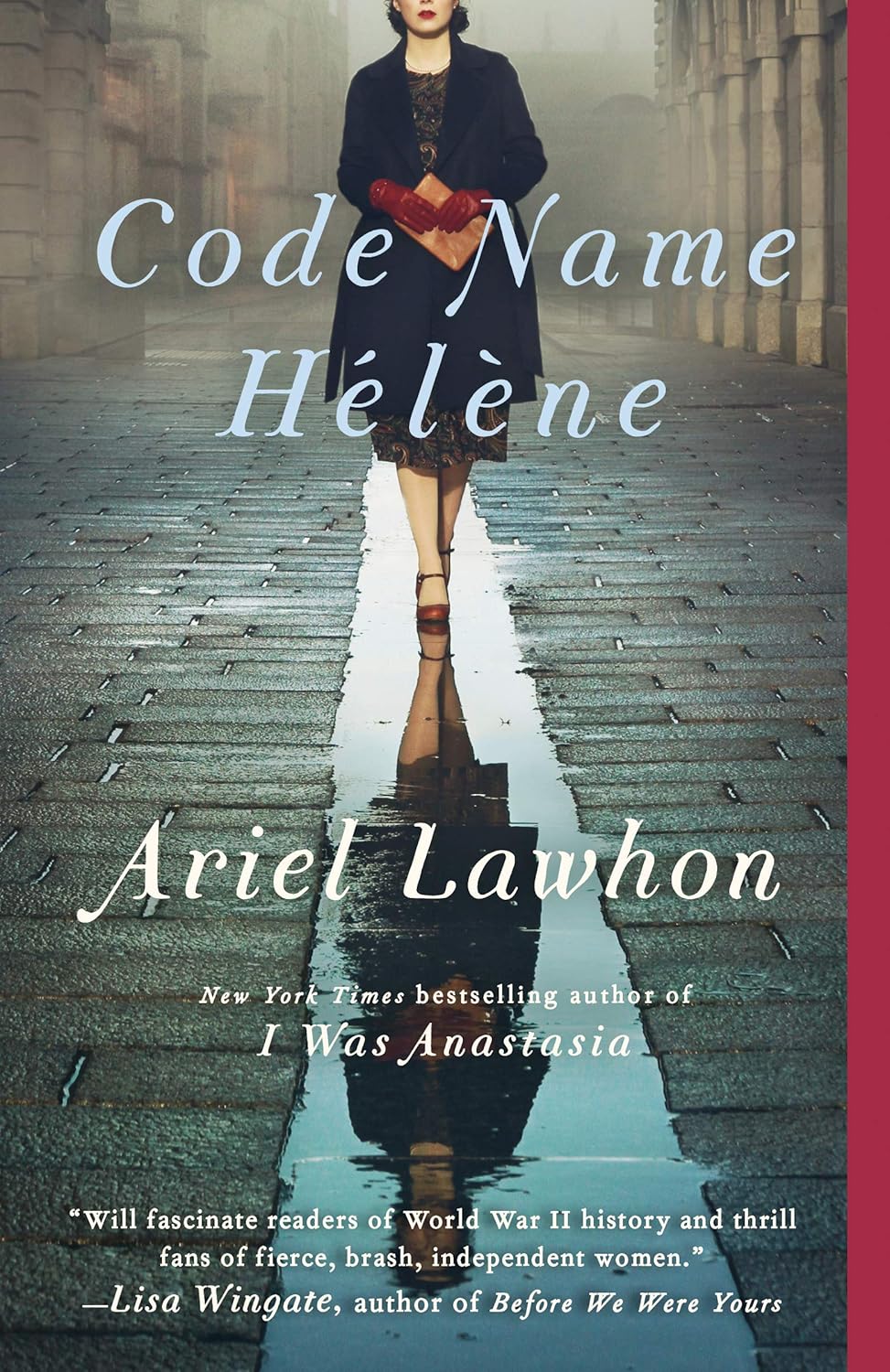
I read The Frozen River by Ariel Lawhon last year and really loved it. So, I was excited to read Code Name Hélène by Ariel Lawhon this year.
Unfortunately, it started off slow and didn't draw me in to want to read it a lot. As a result, it took me a long time to finish this book. That being said, I'm glad that I did stick with it because it picked up in the middle and ended really well. I now have an appreciation for why the book started the way it did; the story is told in a non-linear fashion and it's impossible to appreciate why this choice by the author was a good one until you're all the way through the book.
Nancy Grace Augusta Wake is a real person (something I didn't know until I was reading the Author's Note at the end of the book), and this novel is a work of historical fiction based on her life (and specifically, her life right before and during World War II). I ultimately really enjoyed the story, so that earns it a place in my Top 10 for the year.
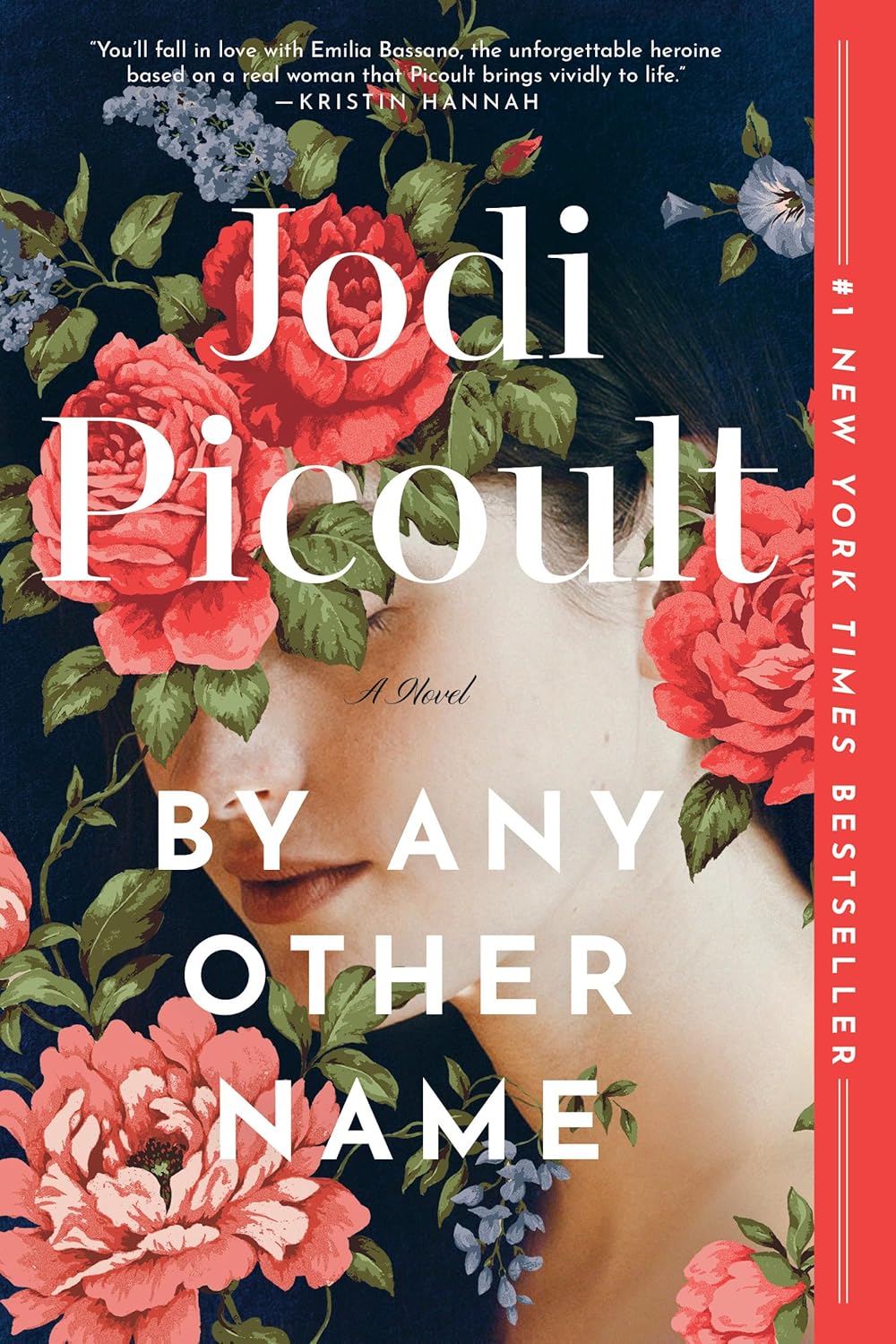
I have enjoyed many of Jodi Picoult’s books over the years, so I was interested to read By Any Other Name this year.
I am pretty conflicted over how I feel about this book. The premise - whether William Shakespeare was actually the true author of all of the works attributed to him - is a very interesting one. The idea that the author of so many famously iconic plays and sonnets could have been a woman is even more interesting.
Jodi Picoult's exploration of this idea spans over 400 years and is told in parallel by two narrators: Emilia (who is a real person who lived during the time of Shakespeare) and Melina (a fictional character and fictional descendant of Emilia who lives in the present day). Their narratives alternate throughout the story. Melina, like her ancestor, is a female playwright who finds it challenging to be recognized in a field that is dominated and controlled by men.
I really, really enjoyed the chapters narrated by Emilia. They were engaging and I found myself wishing for them to start up again when I was reading the chapters narrated by Melina. I think part of this is because Emilia's story was much more developed. Melina's chapters, by contrast, felt like an afterthought. I found Melina to be an annoying narrator at times and I didn't really enjoy the characters or storylines in her chapters nearly as much as I enjoyed Emilia's.
And perhaps this makes sense. This was, after all, a novel inspired by the real Emilia Bassano and thus this book was truly an homage to her. Melina as a character was more of a vehicle than an enhancement to the overall narrative.
If the Emilia chapters were the entire book, this book would likely be close to the top of my list. If the book was only the Melina chapters, it honestly would never have made any list of good books (and I might have actually abandoned this book reading it). Averaging them together earns By Any Other Name the final spot on my list of Top 10 Fiction Books of 2025. All of this being said, this is a book worth reading, both for its own merits and for the thought-provoking potential rewriting of history it explores.
Disclosure: Some of the links above are affiliate links, meaning, at no additional cost to you, I will earn a commission if you click through and make a purchase. Thank you for your support!




Laura Henry is a Syracuse, NY-based coach who is a USA Triathlon Level II Long Course and Level II Paratriathlon Certified Coach, USA Cycling Level 2 Certified Coach, VFS Certified Bike Fitter, SICI Certified Bike Fitter, and has successfully completed NASM's Certified Personal Trainer course. Coach Laura is passionate about helping athletes of all ability levels reach their goals and has coached hundreds of athletes to success over the course of her career.
She can be reached at Laura@FullCircleEndurance.com.
Have a question or ready to get your TRAINING started?
Fill out our Contact Form to the right and we will get back to you shortly!
.svg)

